
Talk to our expert
+91 9822207761
Connect via
WhatsApp
Luxury Rehab|Book Appointment
Raha|Case Study|Blog|Gallery|Career
Jagruti LogoJagruti Rehabilitation Center
About Us
About Jagruti
Mission & Vision
News and Media
Testimonials
Treatments
Alcohol Addiction Treatment
ADHD Treatment
Agoraphobia Treatment
Anorexia Nervosa Treatment
Autism Spectrum Treatment
Bipolar Disorder Treatment
Borderline Personality Disorder
Bulimia Nervosa Treatment
Cocaine Treatment
Depression Treatment
Delusional Treatment
Dissociative Identity Treatment
Generalized Anxiety Disorder
Heroin Treatment
Mania Treatment
Marijuana Treatment
OCD Treatment
Oppositional Defiant Disorder
Phobia Treatment
Panic Treatment
Post-Traumatic Treatment
Personality Treatment
Schizophrenia Treatment
Schizoaffective Disorder Treatment
Social Anxiety Disorder Treatment
Disorders
Addiction
Antisocial Personality Disorder
Avoidant Personality Disorder
Anxiety Disorder
Acute Stress Disorder (ASD)
Adjustment Disorder
Anorexia Nervosa
Autism Spectrum Disorder
Attention-Deficit/Hyperactivity Disorder
Biophysical Addiction
Bipolar Disorder
Borderline Personality Disorder
Body Dysmorphic Disorder
Bulimia Nervosa
Binge Eating Disorder
Conversion Disorder
Conduct Disorder
Depression
Dementia Care
Delusional Disorder
Dysthymia
Developmental Coordination Disorder
Dissociative Amnesia
Depersonalization /Derealization Disorder
Dissociative Fugue
Disruptive Mood Dysregulation Disorder
Excoriation Disorder
Factitious Disorder
Generalized Anxiety Disorder
Histrionic Personality Disorder
Hoarding Disorder
Hypochondriasis
Intellectual Disability (ID)
Insomnia Disorder
Kleptomania
Major Depressive Disorder
Narcissistic Personality Disorder
Narcolepsy
Obsessive Compulsive Disorder
Obsessive-Compulsive Personality Disorder
Oppositional Defiant Disorder (ODD)
Pornography Addiction
Paranoid Personality Disorder
Panic Disorder
Phobias
Post-Traumatic Stress Disorder
Pica
Parasomnias
Pyromania
Restless Legs Syndrome
Schizophrenia
Schizoid Personality Disorder
Social Anxiety Disorder
Schizoaffective Disorder
Seasonal Affective Disorder (SAD)
Selective Mutism
Schizotypal Personality Disorder
Somatic Symptom Disorder
Trichotillomania
Therapies
Acceptance and Commitment Therapy
Aversion Therapy
Applied Behavior Analysis
Art Therapy
Accelerated Experiential Dynamic Psychotherapy
Adlerian Therapy
Acupuncture Therapy
Adjuvant Therapy
Animal-assisted Therapy
Ayurvedic Therapy
Behavioral Therapy
Bibliotherapy
Biofeedback Therapy
Brief Therapy
Cognitive Behavioral Therapy
Couples Therapy
Critical Incident Stress Management (CISM)
Client-Centered Therapy (Person-Centered Therapy)
Dialectical Behavioral Therapy
Dance Therapy
Detoxification
Existential Therapy
Expressive Arts Therapy
Electroconvulsive Therapy (ECT)
Eye Movement Desensitization and Reprocessing (EMDR)
exposure therapy
Family Systems Therapy
Family Therapy
Gestalt Therapy
Group Therapy
Humanistic Therapy
Holistic Therapy
Hypnotherapy
Interpersonal Therapy
Integrative Therapy
Ketamine Assisted Psychotherapy
ketamine therapy
Motivational Enhancement Therapy
Mindfulness-Based Cognitive Therapy
Music Therapy
Mind Body Therapy
Multisystemic Therapy (MST)
Neurofeedback Therapy
Narrative Therapy
Naturopathic Therapy
Psychodynamic Therapy
Play Therapy
Psychotherapy
Physical Therapy (PT)
Problem-Solving Therapy
Rational Emotive Behavior Therapy
Repetitive Transcranial Magnetic Stimulation
Reiki Therapy
Solution-Focused Brief Therapy
Somatic Experiencing
Support Groups
Spiritual Counseling
Trauma Therapy
Traditional Chinese Medicine (TCM)
Yoga Therapy
Our Centers
Mumbai
Pune
Navi Mumbai
Bangalore
Noida
Gurgaon
Ahmedabad
Chennai
Hyderabad
Nashik
Thane
Facilities
Living Conditions
Dedicated Caring Staff
Doctors

Jagruti Rehabilitation Centre

Jagruti Rehabilitation Centre
Where Healing Begins

  • Phone : +91 9822207761

  • Email : info@jagrutirehab.org

x
x
x
x
xAroha Logo
xOlive Logo

Treatments

  • ADHD Treatment
  • Alcohol Addiction Treatment
  • Bipolar Disorder
  • Depression Treatment
  • Mania Treatment
  • OCD Treatment
  • Phobia Treatment
  • Schizophrenia

Disorders

  • Anxiety
  • Bipolar
  • Depression
  • Dementia Care
  • OCD
  • Panic
  • Paranoid Personality
  • Schizophrenia

Locations

  • Ahmedabad
  • Bangalore
  • Chennai
  • Gurgaon
  • Hyderabad
  • Mumbai
  • Navi Mumbai
  • Noida
  • Pune

Other Links

  • Blog
  • Careers
  • Case Study
  • Contact Us
  • FAQ
  • Gallery
  • News & Media
  • Our Doctors
  • Vision

Quick Enquiry

Phone
©️ 2026 Jagruti Rehab Centre. All Rights Reserved.
Privacy Policy | Terms & Conditions | Sitemap | Robots
Acupuncture Therapy
  1. Home
  2. Therapy

  3. acupuncture therapy

Acupuncture Therapy

What is acupuncture?What does acupuncture treat?Types of Acupuncture TherapyHow does acupuncture work?What happens during treatment?Benefits of acupuncture
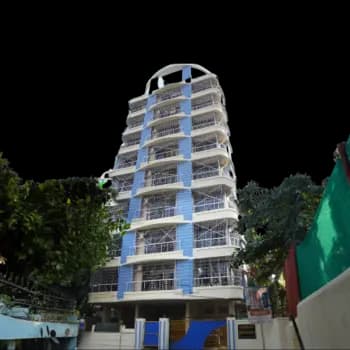
Navi Mumbai Rehab Centre

Navi Mumbai

Plot no 37, Sector 5, Siddhi Vinayak, Taloja Phase 1, Navi Mumbai, Maharashtra 410208

Pune Rehab Centre

Pune

Farm, Zhagade Wasti, Near Loni Toll Naka, Solapur - Pune Hwy, Manjri, Hadapsar, Pune, Maharashtra 412307

Noida Rehab Centre

Noida

B-17, B Block, Sector 30, Noida, Uttar Pradesh 201301

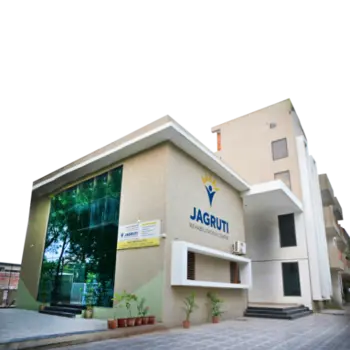
Mumbai Rehab Centre

Mumbai

Malad East, Mumbai, Ahead Fatima Devi School, Railway Station, Sushmita Building, Manchubhai Road, Near, Malad Subway, Malad East, Mumbai, Maharashtra 400097

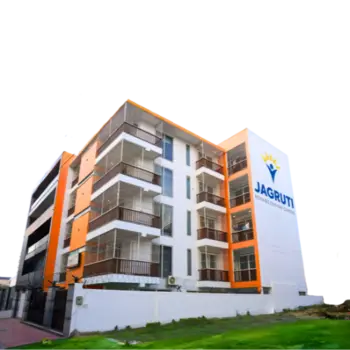
Ahmedabad Rehab Centre

Ahmedabad

B24, Greenwood, Garden City, Sardar Patel Ring Rd, Vibhag 1, OGNAJ, Ahmedabad, Gujarat 380060

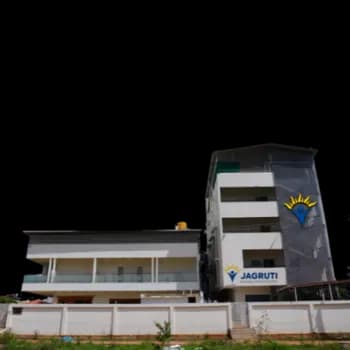
Bangalore Rehab Centre

Bangalore

Sy no: 30/10, Yelahanka Hobli, Nagadasanahalli, Bengaluru, Karnataka 560064

Gurgaon Rehab Centre

Gurgaon

Plot no 596, Sector 42, Gurugram, Haryana 122009

Chennai Rehab Centre

Chennai

944, 17th Main Rd, Sector H, Thirumoolar Colony, Anna Nagar, Chennai, Tamil Nadu 600038

What is acupuncture?

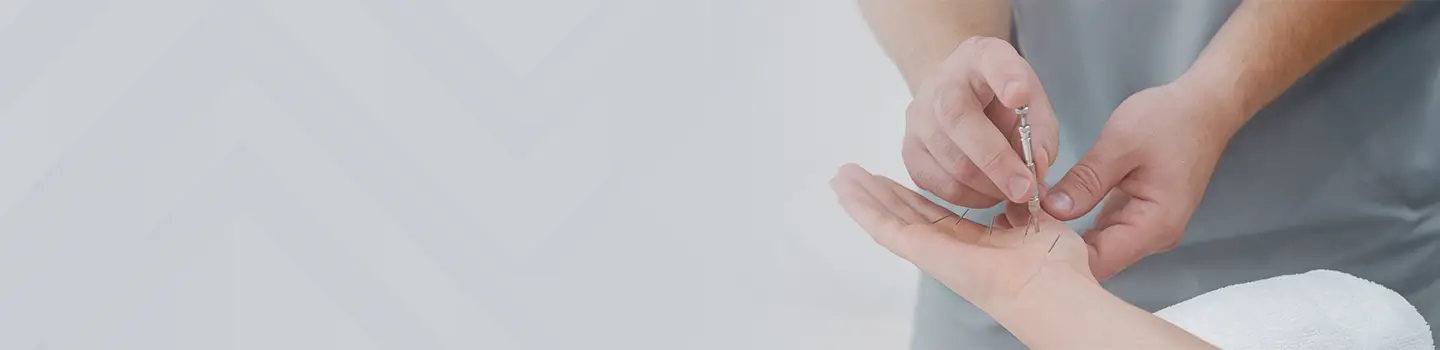
Acupuncture is a procedure that involves inserting needles into the skin of a patient at certain specific points. Rooted in traditional Chinese medicine, acupuncture has proven to balance the flow of energy through various pathways. Practitioners insert needles at various points to stimulate nerves, muscles, and various connective tissues. The procedure aims to enhance the body’s natural painkillers and promote healing.

Does acupuncture hurt?

No. Acupuncture is a predominantly painless and non-invasive procedure. Patients might feel a slight sting when a needle is inserted; however, it lasts only a second or two.

What does acupuncture treat?

Acupuncture mainly relieves discomfort associated with health conditions and diseases. Here is when patients are recommended to opt for the procedure to improve their condition:

  • Commonly recommended to manage chemotherapy-induced and post-operative problems like nausea, vomiting, and dental pain, to name a few.
  • Helps alleviate various kinds of headaches like migraines and tension headaches.
  • Pain in other body parts like the lower back, neck, and abdomen post-delivery can be treated effectively.
  • Pain can be relieved in patients suffering from various health problems like osteoarthritis, menstrual cramps, and respiratory issues like allergic rhinitis.
  • Psychological disorders like stress, anxiety, and depression can be controlled with the help of acupuncture. This therapy has proven to be effective in managing stress and curbing the presence of negative thoughts effectively.

Are there different types of acupuncture?

Yes. Here are 8 different types of acupuncture:

1. Shamanic acupuncture focuses on harmonising physical, emotional, and spiritual energies.
2. Ancient Chinese acupuncture uses meridians and qi flow to treat ailments and restore balance.
3. 5-Element Acupuncture uses the 5 main elements of nature (earth, wood, fire, metal, and water) to align physical, emotional, and spiritual aspects.
4. Stems and Branches Acupuncture aligns treatment with cosmic influences and the patient’s constitution.
5. Dr. Tan-type acupuncture uses balancing methods for immediate pain relief. The technique targets interconnected meridians instead of local points of discomfort.
6. Master Tung-style Acupuncture uses minimal needle insertions to ease pain and emphasises distal points.
7. Japanese acupuncture is a precise technique that includes shallow needle insertions and touch-based diagnosis for a smooth flow of energy.
8. Vietnamese acupuncture focuses on ear acupuncture to treat various health conditions.
9. Microsystems of acupuncture target small parts of the body like the ear, hand, or scalp to treat diverse conditions.
10. Marma Puncture is a combination of acupuncture and Ayurveda that ensures a smooth flow of energy and holistic healing.
11. Dry Needling Acupuncture releases muscle tension through various trigger points and improves mobility.

How does acupuncture work?

Acupuncture practitioners believe that the life force, also called qi, flows through the body. According to traditional Chinese medicine, free-flowing Qi suggests good health, and blockages result in pain and illness.
Acupuncture aims to restore and reboot balance by inserting needles into specific points along energy pathways called meridians. Stimulating these points unblocks qi and helps a body to regain its inherent harmony.

What happens during an acupuncture treatment?

Acupuncture points are located throughout the body, and these points can be distant from each other. Acupuncture patients inform the patient about various points of needle placement and orient them about the procedure.
The three main steps of the acupuncture procedure are:

1. Needle Insertion
Depending on the health problem, needles are inserted into various strategic points of the body. There is minimal discomfort, and patients generally do not feel the insertion at all. However, if the needle has to penetrate deep into a body part, patients might feel a sting.

2. Needle Manipulation
The treatment involves applying mild heat or giving electrical impulses to enhance the treatment. However, acupuncture practitioners might move or twirl the needles for more efficiency in the treatment.

3. Needle Removal
The number of needles inserted generally ranges between five and twenty. The duration of each session is fifteen to twenty minutes. Once the session is over, needles are removed gently, and the procedure is mostly painless.

What happens after an acupuncture treatment?

1. Short-Term Reactions
Reactions of patients vary once the acupuncture treatment is over. While some people feel relaxed and relieved of the pain, others feel more energised. Patients suffering from aches and pains have felt better.
Those suffering from bowel disorders experienced detox symptoms like excessive urination in the first few hours. At certain times, patients also feel emotionally vulnerable and end up crying for hours without any reason.

2. Long-Term Reactions
As the body strengthens its immunity after a session, symptoms like runny nose and fatigue might get triggered. This is also a part of expelling any underlying issues that could be worsening the health.
These are simply signs of healing and reflect the body’s ability to restore energy and balance. Patients could feel physically exhausted but gain immense mental clarity.

What are the benefits of acupuncture?

  • Acupuncture has proven to treat multiple psychological disorders like stress, anxiety, and depression.
  • Acupuncture is a painless procedure, and the duration of the session lasts not more than one hour.
  • From periodic menstrual cramps to lower back aches and neck pains, acupuncture has proven to be an effective treatment plan.
  • Acupuncture has also proved to improve sleep, control allergic asthma, and enhance the working of the digestive system.

What are the risks or complications of acupuncture?

Acupuncture is a generally safe procedure performed by certified medical practitioners. Needles should be sterile and meant for single use to minimise the risk of infections. The side effects of the procedure are minimal, which include soreness, bleeding, and bruising but can be managed. However, pregnant women and patients with pacemakers or any other metal inserted in the body must avoid the procedure.

Frequently asked questions

What is acupuncture therapy?

Acupuncture is a non-invasive procedure based on ancient Chinese tradition. The therapy includes inserting needles in various parts of the body. This therapy targets specific strategic points that are beneficial for treating disorders and other health problems.

What is the main benefit of acupuncture?

Acupuncture is a painless procedure that benefits patients suffering from chronic body pains, psychological disorders, and other physiological problems. This therapy effectively improves the overall health and emotional well-being of a person.

How does acupuncture therapy work?

Acupuncture therapists select various strategic points on a patient’s body according to the symptoms or health problems. The aim is to restore the flow of energy through various pathways to lead an emotionally balanced and healthy life.

What conditions can acupuncture therapy treat?

Psychological disorders, various physical ailments, and chronic aches and pains can be effectively treated by acupuncture therapy. Patients regain their lost emotional balance and get detoxed from negativity.

Why Choose Jagruti Rehab for Acupuncture Therapy?

Acupuncture therapy performed at Jagruti Rehab Centre is a procedure performed under the supervision of experts. Patients are briefed about the procedure, and supplementary treatment plans are also suggested for a complete recovery. The latest technology, sanitised tools, and hygienic rooms make it the best rehab centre.