






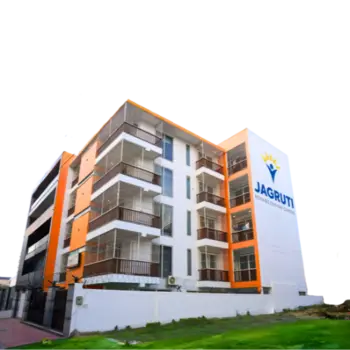

We, at Jagruti Rehabilitation Centre, provide evidence-based mental health treatments that empower families. Our Multisystemic Therapy (MST) programme addresses complex behavioral challenges in adolescents. It targets several systems influencing young people, leading to long-term positive changes. It decreases problem behaviors and enhances family functioning. Our MST program integrates easily with other therapeutic services for an all-around approach to mental health care.
Read on to learn "what is Multisystemic Therapy (MST)", "how does Multisystemic therapy (MST) work", and why it is effective. Know the Multisystemic Therapy techniques used and how MST helps families dealing with severe behavioral problems in teens. If you are seeking the best Multisystemic Therapy (MST) service providers near you or have more questions regarding this therapy, reach out to us. At Jagruti Rehabilitation Centre, we offer comprehensive MST treatment for complete recovery.
What is Multisystemic Therapy (MST)?
Multisystemic Therapy (MST) is an intensive evidence-based therapeutic approach specifically created to help adolescents and young adults who are experiencing very significant behavioral and emotional issues. In the 1980s, MST was formulated first to deal with the complex demands of youths at the threshold of delinquency and substance abuse or entrapment within the juvenile court system. Its primary goal is to reduce problem behaviors by involving different systems that impact the life of an individual, including family, school, peer groups, and the larger community. While the majority of therapies aim only to benefit the individual, MST focuses on the impact of all these multiple systems and enhances functioning across them. Therefore, working directly with families and communities facilitates adolescents to develop healthier behaviors and improves the overall dynamics of the family.
How does Multisystemic therapy (MST) work?
Multisystemic Therapy works through a structured, flexible, step-by-step, family-and-community-engaging process, creating meaningful change and sustaining it. The process of MST is hereby outlined below:
1. Assessment: The therapy starts with an investigation of the adolescent's life environment. This involves the evaluation of family relationships, interactions and relationships with peers, a review of school performance as well as any form of involvement with community services to ensure that all factors influencing such behavior are understood.
2. Collaboration: MST is a team-based process where therapists closely work with parents, teachers, and community members in developing a treatment plan that can be tailored to the family. This plan addresses the behavioral issues of the adolescent and the environmental contributors to the problem.
3. Treatment Delivery: Therapy is conducted within the adolescent's natural surroundings, which is usually at home or in the community. It focuses on changing the interactions between the adolescent and his/her systems of influence to alter the patterns.
4. Feedback: Progress towards the goals of therapy is followed closely during the treatment process. Regular reviews are conducted to ensure that the treatment plan evolves with the needs of the adolescent and the family.
5. Ongoing Care After Therapy: The families receive aftercare plans as well as continuous care to sustain the desirable changes over time. The interventions in MST are tailored to meet the different family needs. Family engagement in MST is considered fundamental, which enhances the reinforcement of desirable behavior change initiated in therapy.
Common Multisystemic Therapy (MST) Techniques
MST utilizes several research-supported techniques in working out the complicated needs of adolescents and their family members. Such techniques encompass the following:
- Cognitive-behavioral therapy: This technique assists both adolescents and their families in identifying negative patterns of thinking and behavior as well as in changing them. Cognitive-behavioral therapy focuses on building their problem-solving skills and promoting good thinking.
- Family therapy: MST therapists directly work with the family for better communication, building trust, and resolving conflicts. Family therapy sessions strengthen the family unit, which would be supportive of the recovery of an adolescent.
- Behavioral interventions: Positive reinforcement is one of the major elements in MST. An adolescent is rewarded for positive behavior and is made accountable for negative behavior; this shapes long-term behavioral change.
- Training parental skills: MST gives the parents the tools that make them manage their children more effectively. This includes things like setting clear boundaries and improving communication, thus adding consistency in discipline.
- Community-based interventions: The service provision of MST extends to involving the schools and community resources towards assisting the adolescent. Through the engagement of these external systems, the adolescent is assured of gaining coherent support in all spheres.
These techniques are versatile enough to be tailored to each family's specific needs to ensure a tailored approach toward positive, long-term results.
Advantages of Multisystemic Therapy (MST)
Multisystemic therapy is associated with great advantages, especially for families in need of complex behavioral therapies. Among the most crucial are as follows:
- Antisocial behavior can be decreased: Multisystemic therapy has been evidenced to decrease delinquency and aggression, as well as substance abuse, among youths.
- Family relationships will be enhanced: The trust and communication in families improve as conflicts are solved.
- Community integration: MST enhances the academic performance of adolescents and strengthens their social bonds, which in turn minimizes the possibility of criminal behavior in the future.
- Long-term outcomes: Some therapies have short-term outcomes. However, MST results persist even after the treatment. This prevents relapse and ensures that the behavioral change is long-lasting.
With over 30 years of research confirming its effectiveness, MST is one of the most effective therapies for at-risk youth.
Why Is Multisystemic Therapy (MST) Effective?
The success of MST is based on a whole and individualized approach: the following are some aspects that make it work:
- Holistic approach: The practice of MST covers all sides of the adolescent's life and includes family, school, and community. Thus no contributing factor to the problematic behavior is left behind to be addressed.
- Home-based therapy: It provides therapy in the familiar surroundings of the adolescent and their family, which makes it more accessible and relatable.
- Individualised treatment: Each family situation is different, and MST tailors its interventions to meet the needs of every family. This increases engagement and the possibility of success.
- Empirical support: For decades, studies have concluded that MST is one of the most effective therapies when reducing delinquent behaviors in adolescents.
Who Can Benefit from Multisystemic Therapy (MST)?
Multisystemic therapy particularly suits individuals who fall under the given categories:
- Youths engaged within the juvenile justice system
- Youth history of drugs or aggression
- Families show intense inter-parental conflicts and non-communication.
- Adolescents who are likely to drop out or become socially isolated.
Individual cases are evaluated before admission at Jagruti Rehabilitation Center to decide whether MST is apt for the treatment of the teen and the family.
Why Jagruti Rehabilitation Centre for Multisystemic Therapy (MST)?
At the Jagruti Rehabilitation Centre, we provide a therapeutic and holistic approach to treating MST. Here's why families choose us for their MST treatment:
- Experienced therapists: Our MST-trained professionals have years of working experience with adolescents and families, thus providing expert services.
- Personalised care: We design our treatment approaches to address the unique obstacles that each family faces.
- Holistic treatment: This program combines family therapy, cognitive behavioural therapy, and other therapies.
- Supportive environment: Our empathetic team of people is always here to support families towards achieving a permanent positive change.
We, at Jagruti Rehabilitation Centre, strive to help families and adolescents overcome their obstacles and construct a better future.