

Talk to our expert
+91 9822207761
Connect via
WhatsApp
Luxury Rehab|Book Appointment
Raha|Case Study|Blog|Gallery|Career
Jagruti LogoJagruti Rehabilitation Center
About Us
About Jagruti
Mission & Vision
News and Media
Testimonials
Treatments
Alcohol Addiction Treatment
ADHD Treatment
Agoraphobia Treatment
Anorexia Nervosa Treatment
Autism Spectrum Treatment
Bipolar Disorder Treatment
Borderline Personality Disorder
Bulimia Nervosa Treatment
Cocaine Treatment
Depression Treatment
Delusional Treatment
Dissociative Identity Treatment
Generalized Anxiety Disorder
Heroin Treatment
Mania Treatment
Marijuana Treatment
OCD Treatment
Oppositional Defiant Disorder
Phobia Treatment
Panic Treatment
Post-Traumatic Treatment
Personality Treatment
Schizophrenia Treatment
Schizoaffective Disorder Treatment
Social Anxiety Disorder Treatment
Disorders
Addiction
Antisocial Personality Disorder
Avoidant Personality Disorder
Anxiety Disorder
Acute Stress Disorder (ASD)
Adjustment Disorder
Anorexia Nervosa
Autism Spectrum Disorder
Attention-Deficit/Hyperactivity Disorder
Biophysical Addiction
Bipolar Disorder
Borderline Personality Disorder
Body Dysmorphic Disorder
Bulimia Nervosa
Binge Eating Disorder
Conversion Disorder
Conduct Disorder
Depression
Dementia Care
Delusional Disorder
Dysthymia
Developmental Coordination Disorder
Dissociative Amnesia
Depersonalization /Derealization Disorder
Dissociative Fugue
Disruptive Mood Dysregulation Disorder
Excoriation Disorder
Factitious Disorder
Generalized Anxiety Disorder
Histrionic Personality Disorder
Hoarding Disorder
Hypochondriasis
Intellectual Disability (ID)
Insomnia Disorder
Kleptomania
Major Depressive Disorder
Narcissistic Personality Disorder
Narcolepsy
Obsessive Compulsive Disorder
Obsessive-Compulsive Personality Disorder
Oppositional Defiant Disorder (ODD)
Pornography Addiction
Paranoid Personality Disorder
Panic Disorder
Phobias
Post-Traumatic Stress Disorder
Pica
Parasomnias
Pyromania
Restless Legs Syndrome
Schizophrenia
Schizoid Personality Disorder
Social Anxiety Disorder
Schizoaffective Disorder
Seasonal Affective Disorder (SAD)
Selective Mutism
Schizotypal Personality Disorder
Somatic Symptom Disorder
Trichotillomania
Therapies
Acceptance and Commitment Therapy
Aversion Therapy
Applied Behavior Analysis
Art Therapy
Accelerated Experiential Dynamic Psychotherapy
Adlerian Therapy
Acupuncture Therapy
Adjuvant Therapy
Animal-assisted Therapy
Ayurvedic Therapy
Behavioral Therapy
Bibliotherapy
Biofeedback Therapy
Brief Therapy
Cognitive Behavioral Therapy
Couples Therapy
Critical Incident Stress Management (CISM)
Client-Centered Therapy (Person-Centered Therapy)
Dialectical Behavioral Therapy
Dance Therapy
Detoxification
Existential Therapy
Expressive Arts Therapy
Electroconvulsive Therapy (ECT)
Eye Movement Desensitization and Reprocessing (EMDR)
exposure therapy
Family Systems Therapy
Family Therapy
Gestalt Therapy
Group Therapy
Humanistic Therapy
Holistic Therapy
Hypnotherapy
Interpersonal Therapy
Integrative Therapy
Ketamine Assisted Psychotherapy
ketamine therapy
Motivational Enhancement Therapy
Mindfulness-Based Cognitive Therapy
Music Therapy
Mind Body Therapy
Multisystemic Therapy (MST)
Neurofeedback Therapy
Narrative Therapy
Naturopathic Therapy
Psychodynamic Therapy
Play Therapy
Psychotherapy
Physical Therapy (PT)
Problem-Solving Therapy
Rational Emotive Behavior Therapy
Repetitive Transcranial Magnetic Stimulation
Reiki Therapy
Solution-Focused Brief Therapy
Somatic Experiencing
Support Groups
Spiritual Counseling
Trauma Therapy
Traditional Chinese Medicine (TCM)
Yoga Therapy
Our Centers
Mumbai
Pune
Navi Mumbai
Bangalore
Noida
Gurgaon
Ahmedabad
Chennai
Hyderabad
Nashik
Thane
Facilities
Living Conditions
Dedicated Caring Staff
Doctors

Jagruti Rehabilitation Centre

Jagruti Rehabilitation Centre
Where Healing Begins

  • Phone : +91 9822207761

  • Email : info@jagrutirehab.org

x
x
x
x
xAroha Logo
xOlive Logo

Treatments

  • ADHD Treatment
  • Alcohol Addiction Treatment
  • Bipolar Disorder
  • Depression Treatment
  • Mania Treatment
  • OCD Treatment
  • Phobia Treatment
  • Schizophrenia

Disorders

  • Anxiety
  • Bipolar
  • Depression
  • Dementia Care
  • OCD
  • Panic
  • Paranoid Personality
  • Schizophrenia

Locations

  • Ahmedabad
  • Bangalore
  • Chennai
  • Gurgaon
  • Hyderabad
  • Mumbai
  • Navi Mumbai
  • Noida
  • Pune

Other Links

  • Blog
  • Careers
  • Case Study
  • Contact Us
  • FAQ
  • Gallery
  • News & Media
  • Our Doctors
  • Vision

Quick Enquiry

Phone
©️ 2026 Jagruti Rehab Centre. All Rights Reserved.
Privacy Policy | Terms & Conditions | Sitemap | Robots
Physical Therapy (PT)
  1. Home
  2. Therapy

  3. physical therapy pt

Physical Therapy (PT)

What is PT?PT vs. occupational therapyTypes of physiotherapyWhat does PT treat?Benefits of PTRisks of PT
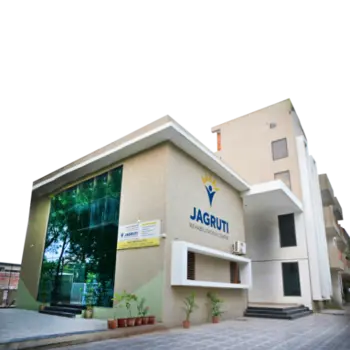
Navi Mumbai Rehab Centre

Navi Mumbai

Plot no 37, Sector 5, Siddhi Vinayak, Taloja Phase 1, Navi Mumbai, Maharashtra 410208

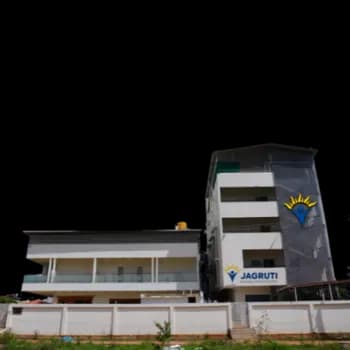
Pune Rehab Centre

Pune

Farm, Zhagade Wasti, Near Loni Toll Naka, Solapur - Pune Hwy, Manjri, Hadapsar, Pune, Maharashtra 412307

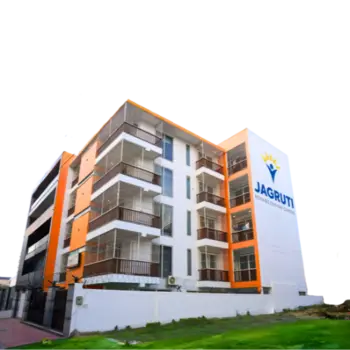
Noida Rehab Centre

Noida

B-17, B Block, Sector 30, Noida, Uttar Pradesh 201301

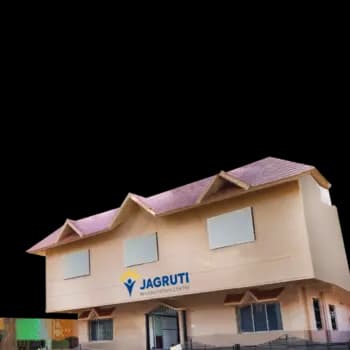
Mumbai Rehab Centre

Mumbai

Malad East, Mumbai, Ahead Fatima Devi School, Railway Station, Sushmita Building, Manchubhai Road, Near, Malad Subway, Malad East, Mumbai, Maharashtra 400097

Ahmedabad Rehab Centre

Ahmedabad

B24, Greenwood, Garden City, Sardar Patel Ring Rd, Vibhag 1, OGNAJ, Ahmedabad, Gujarat 380060

Bangalore Rehab Centre

Bangalore

Sy no: 30/10, Yelahanka Hobli, Nagadasanahalli, Bengaluru, Karnataka 560064

Gurgaon Rehab Centre

Gurgaon

Plot no 596, Sector 42, Gurugram, Haryana 122009

Chennai Rehab Centre

Chennai

944, 17th Main Rd, Sector H, Thirumoolar Colony, Anna Nagar, Chennai, Tamil Nadu 600038

What is physical therapy (physiotherapy)?

Physical therapy, or physiotherapy, is a treatment that improves the physical movement or physical performance of a human body. This treatment is used for pain management, to recover from an injury, or to heal physically after surgery. Additionally, physical therapy aims to prevent injuries in the future by strengthening the body.
Various physiotherapy techniques included in the treatment are stretching, strength training, massage, heat or cold therapy, hydrotherapy, and transcutaneous electrical nerve stimulation (TENS).

What is physical therapy vs. occupational therapy?

Physical therapy and occupational therapy aim to enhance functionality but differ in focus and goals. Physical therapy addresses pain and stiffness in various parts of the body.
The treatment is also effective in treating postoperative physical limitations like injuries, muscle inflammation, or other health conditions. The primary goal of physical therapy is restoring strength, achieving mobility, and helping patients recover.
Occupational therapy, on the other hand, focuses on enabling a person to perform routine activities independently. “Occupation” here stands for personal chores performed during routine rather than job-related tasks. The aim is to restore the ability of a person to adapt to challenges and maintain independence.

What are the types of physiotherapy?

1. Geriatric Physiotherapy
Geriatric Physical therapy (physiotherapy) addresses age-related health issues. Techniques like electrical stimulation and aqua therapy enable the elderly to manage pain and lead a more comfortable life independently. Individuals who have replaced their joints surgically or are suffering from problems like arthritis and osteoporosis can benefit from the treatment.

2. Cardiovascular Physiotherapy
Patients who suffer from cardiovascular and respiratory issues can opt for cardio rehab. Health problems like hypertension and chest aches, and those looking for post-heart attack recovery, can opt for physiotherapy for faster recovery.

3. Neurological Physiotherapy
Neurological physiotherapy aids recovery from strokes, brain injuries, and other memory-related disorders. By promoting synaptic connections, patients have been able to regain their mobility and redevelop their basic skills. With customised neurorehabilitation techniques, an improvement in flexibility was also observed.

4. Orthopaedic Physiotherapy
Orthopaedic Physical therapy (physiotherapy) treats musculoskeletal issues like backache, frozen shoulder, and scoliosis. With the help of assistive devices and therapeutic modalities, pain can be managed, and post-rehabilitation treatment accelerates.

5. Paediatric Physiotherapy
This therapy is particularly beneficial for children or infants with limb disabilities or other genetic conditions that hinder proper mobility. It also helps with enhancing growth during developmental stages and other milestone-related challenges.

What does physical therapy treat?

Physical therapy (physiotherapy) treats issues and health problems that affect mobility and cause pain or inflammation in joints and muscles. Physical therapy can make management of problems like lymphoedema, sports injuries, and muscular dystrophy easier.
Patients can expand their range of motion and improve the functioning of the body that was compromised due to health issues like osteoporosis.
Side effects of problems like vertigo include compromised balance that can cause falls. However, with physical therapy, these accidents can be prevented. Neurological disorders like Parkinson’s, Huntington’s, and so on can also be managed.

What are the benefits of physical therapy (physiotherapy)?

  • Physical therapy (physiotherapy) improves the mobility of patients. Regular sessions enhance joint mobility and allow patients to regain coordination. The posture of a patient gets better as aches and pains are taken care of.
  • Promotes functionality, which is essential to performing daily tasks efficiently. Muscles strengthen, balance improves, and movement patterns get corrected. Reliance on drugs like opioids as physical therapy is a natural process.
  • Enhances long-term physical health and enhances the quality of life. Management of chronic conditions becomes easier, which ensures sustained health benefits. This therapy also supports cardiovascular and respiratory health.
  • Rehab from sport-related injuries like sprains, strains, and fractures can be recovered. With the help of targeted rehabilitation plans, patients can return to their sports safely while preventing re-injury.
  • Physical therapy assists patients suffering from neurological conditions like multiple sclerosis, Parkinson’s, and so on. The therapy aims to promote neural conditions and strengthen muscles to make living with these issues easier.
  • Physical therapy (physiotherapy) reduces symptoms related to arthritis and osteoporosis. This therapy reduces joint pain, controls muscle inflammation, and enhances joint stability.
  • Physical therapy (physiotherapy) is also essential for maintaining proper mental health. Patients who attend therapy sessions regularly have proven to feel less depressed and manage stressful situations calmly.

What are the risks of physical therapy (physiotherapy)?

Risks associated with physical therapy include worsening of pre-existing conditions. With incorrect techniques, aches and pains of the body can worsen, which can affect mobility, strength, and overall functioning. Performing cardiovascular physiotherapy can cause chest pains and other complications as well.

Is physical therapy (physiotherapy) worth it?

Yes. When administered by a medical professional, physical therapy (physiotherapy) is an effective treatment. Patients must ensure that they communicate their symptoms and expectations.
However, conduct thorough research before selecting a professional who will administer the therapy. An experienced physiotherapy expert will prescribe the right supplements that will ensure complete recovery and the right number of sessions to start gradually and move ahead according to the severity of the problem.

Frequently asked questions

What is the main purpose of PT?

The main purpose of physical therapy is to regain lost strength and prevent the deterioration of muscles. Patients must opt for this therapy to delay age-related ortho problems and memory-related issues. The therapy aims to address various psychological issues that could be hindering the mobility of a person.

What conditions can physical therapy treat?

Physical therapy can effectively prevent and treat multiple psychological problems like depression, anxiety, etc. The therapy can also control symptoms of physiological problems like osteoporosis and arthritis. The therapy aims to make pain management easier so that patients can lead a normal life.

How does physical therapy help in recovery?

With physical therapy, a patient can recover from injuries, post-surgery problems, and cardiovascular issues as well. The therapy can improve balance and strengthen bones and muscles for complete recovery.

What are the benefits of physical therapy?

The benefits of physical therapy include the prevention of falls, the strengthening and toning of muscles, and enabling a person to recover completely from surgery. The therapy sessions are not time-consuming, and the exercises or activities are easy to perform.

Why Choose Jagruti Rehab for Physical Therapy (PT)?

Jagruti Rehab Centre is one of the best centres for physical therapy owing to its expert medical staff who create a customised treatment plan. They ensure fast recovery, provide balanced meals, and use the latest gadgets for thorough monitoring.