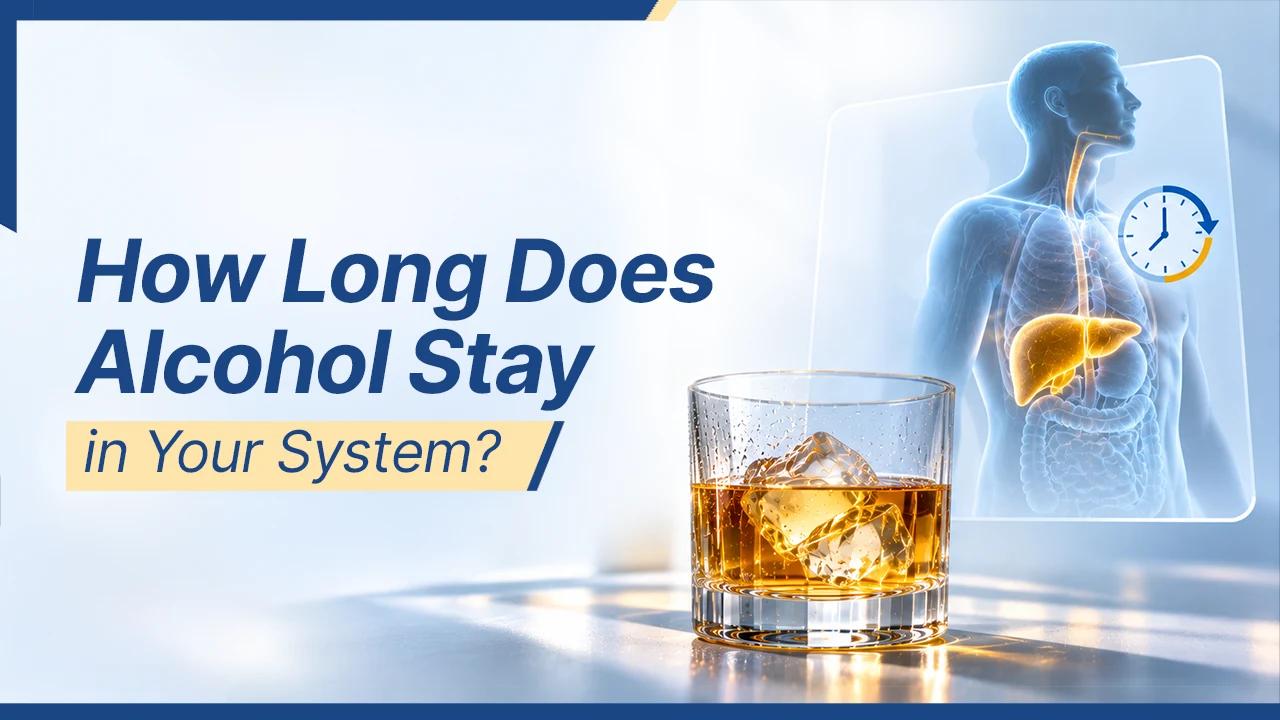


You have finally realized that your drinking has gone from a social pastime to something that is now having a negative impact on your life. It’s time to give up alcohol and detox. But what does this entail?
It won't be as simple as just abstaining from alcohol. Your body has become used to having alcohol in it, and giving it up will cause some withdrawal symptoms. Alcohol contains ethanol, a psychoactive substance that can cause dependence. [1] Withdrawal symptoms can range from mild to severe and usually start within a few hours of your last drink. But you don't have to be afraid; detoxing from alcohol is doable, you just need to know what to expect. Let us get started by understanding what alcohol detoxification is.
Detoxification, or detox, is the process of allowing the body to rid itself of a substance. There are many different types of detoxes, but most involve abstaining from the use of a substance for a period of time in order to allow the body to cleanse itself.
Alcohol detoxification usually involves abstaining from alcohol for a period of time in order to allow the body to rid itself of the substance. This can be done on your own or with the help of a professional detox program.
What happens as soon as you stop drinking
Anxiety:
Since your body is now used to having alcohol, giving it up will cause some anxiety. This is normal and should dissipate after a few days.
Mood swings:
Be prepared for some wild mood swings. One minute you will be elated, the next you may be feeling low or angry. Again, this is normal and should only last for a few days.
Fatigue:
You are going to be tired. Alcohol is a depressant and now that it is no longer in your system, your body is going to feel sluggish. This too should only last for a few days.
Headaches:
You may experience headaches as your body detoxes from alcohol. These should be mild and go away after a day or so.
Seizures:
Some people may experience seizures as they detox from alcohol, and more than 90 per cent of alcohol withdrawal seizures occur within 48 hours of stopping drinking. [2] If this happens, please seek medical attention immediately by calling 108 for an ambulance.
Insomnia:
It is common to have trouble sleeping when you are detoxing from alcohol. This is because alcohol disrupts your natural sleep cycle. Try to stick to a regular sleep schedule and avoid naps during the day.
Sweating:
You may sweat more than usual as your body detoxes from alcohol. Do not panic or think you are coming down with the flu. This is normal and should go away after a few days.
Nausea and vomiting:
You may feel nauseous and even vomit as your body detoxes from alcohol. Although this is normal, but if it persists for more than a day or two, please seek medical attention.
Tremors:
You may experience tremors, or shaking, as your body detoxes from alcohol. You'll feel that your hands are especially affected. This is normal and should go away after a few days.
Hallucinations:
Some people may experience hallucinations as they detox from alcohol. Hallucinations can be a sign of delirium tremens, a severe form of alcohol withdrawal that may also cause sudden confusion, fever, and seizures, and can quickly become life-threatening. [3] If this happens, please seek medical attention immediately.
Increased heart rate:
You will also have an increased heart rate as your body detoxes from alcohol. This happens because alcohol slows down your body's natural processes. There is no need to worry, this should go away after a few days.
Depression:
Detoxing from alcohol can be a difficult and emotionally taxing experience. You may find yourself feeling down or depressed during this time. But try to remember that this is only temporary and things will get better. Just take it one day at a time.
Most of these symptoms will peak after a day or two and then start to improve. However, the depression can last for several weeks. It’s important to detox under medical supervision if you have any pre-existing medical conditions or are pregnant.
Detoxing from alcohol can be a difficult and emotionally taxing experience. However, it is important to remember that this is only temporary and things will get better. But how long does it take to detox from alcohol?
The Time Period for Detoxing from Alcohol
The length of time it takes to detox from alcohol will vary depending on several factors, including how much and how often you drink. Withdrawal symptoms usually begin within 6 to 12 hours of the last drink and last for 3 to 7 days, but some symptoms can continue for a few months, especially in people who drink heavily. [4]
However, the most difficult part of the process is usually the first few days. This is when most of the symptoms are at their worst. After a few days, most people start to feel better and the symptoms begin to improve.
If you are able to successfully go through the detox process, the next step is to begin working on maintaining your sobriety. This can be done through therapy, support groups, etc. Recovery is a lifelong journey, but it is possible to live a happy and healthy life without alcohol. You will be proud of yourself for taking the first step and making the decision to detox.
Get Help With Alcohol Detox at Jagruti
We have been helping people overcome alcohol and drug addiction so they can get back to a happy and healthy life. With years of experience in this field, we are a trusted rehabilitation centre in Mumbai for people and families looking for support.
We provide various types of therapies and programmes which are designed to suit the individual needs of our patients. We also have a team of experienced and qualified doctors who are always there to help you with anything you need.
We understand how difficult it can be to detox from alcohol and we are here to help you every step of the way. If you or someone you know is struggling with alcohol addiction, please do not hesitate to reach out to us. We can help you get your life back on track. Contact us today to learn more about our services and how we can help you.