
Mental Hospital in Delhi
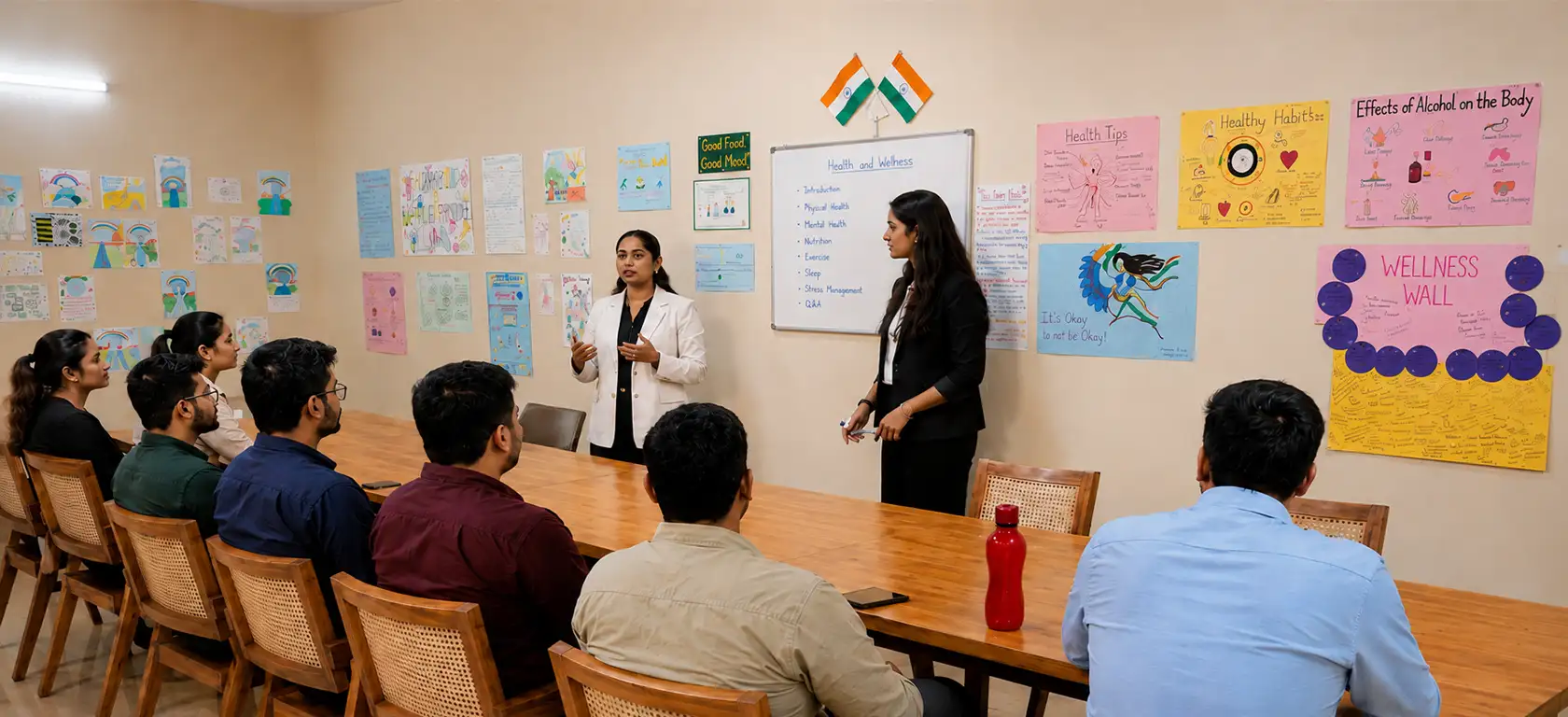


About Jagruti's Mental Hospital in Delhi
Written & Medically Reviewed By
Dr. Amar Shinde, Senior Psychiatrist (MBBS, DPM, FIPS), with 23+ years of experience
Last Updated: 15 July 2026
Searching for a mental hospital in Delhi can feel overwhelming, whether you are in the middle of a crisis or still making sense of what your loved one is going through. You may be carrying worry, exhaustion, and the weight of watching someone you love struggle. Perhaps you have been managing at home, hoping things would stabilize on their own. Or perhaps you are still in the information-gathering phase, trying to understand what kind of care might be needed and when to seek it.
At Jagruti, we understand what this feels like. We have been supporting families across India for over 18 years, and we know that finding the right psychiatric care is about knowing that the team caring for your loved one is skilled, present every day, and genuinely committed to their well-being.
Delhi presents unique challenges for families seeking psychiatric care. The city's high-stakes environment such as demanding government jobs, competitive corporate culture, and students living far from home can intensify mental health struggles. Many families also carry the weight of reputation and social circles, making the decision to seek help even harder. We understand these pressures.
Our psychiatric hospital in Delhi is located in Naraina, West Delhi, right next to PVR Naraina . It is a landmark that makes it easy to find, even for families travelling from across the NCR. This matters because Delhi is a sprawling city. Commuting across the capital can take hours. By placing our centre in a central location, we ensure that families from South Delhi, Central Delhi, Noida, Gurugram, Ghaziabad, and Faridabad can reach us without the strain of long-distance travel. For those searching for a mental hospital near me, we are right here, visible and accessible.
Care at Jagruti is built on three active partnerships: between our experienced clinical team and the patient, between our team and the family, and between the patient and the people who love them. From the moment your loved one arrives, they receive a thorough assessment that shapes everything that follows. The team includes psychiatrists who work on-site daily, psychologists who understand the mind, counsellors who listen without judgement, and nursing staff who provide round-the-clock support. This is what makes our approach different from centres where the clinical team appears only once or twice a week. From assessment and medical stabilisation to therapy, counselling, and aftercare planning, families are actively involved throughout the process.
Your loved one deserves care. Reach out today.
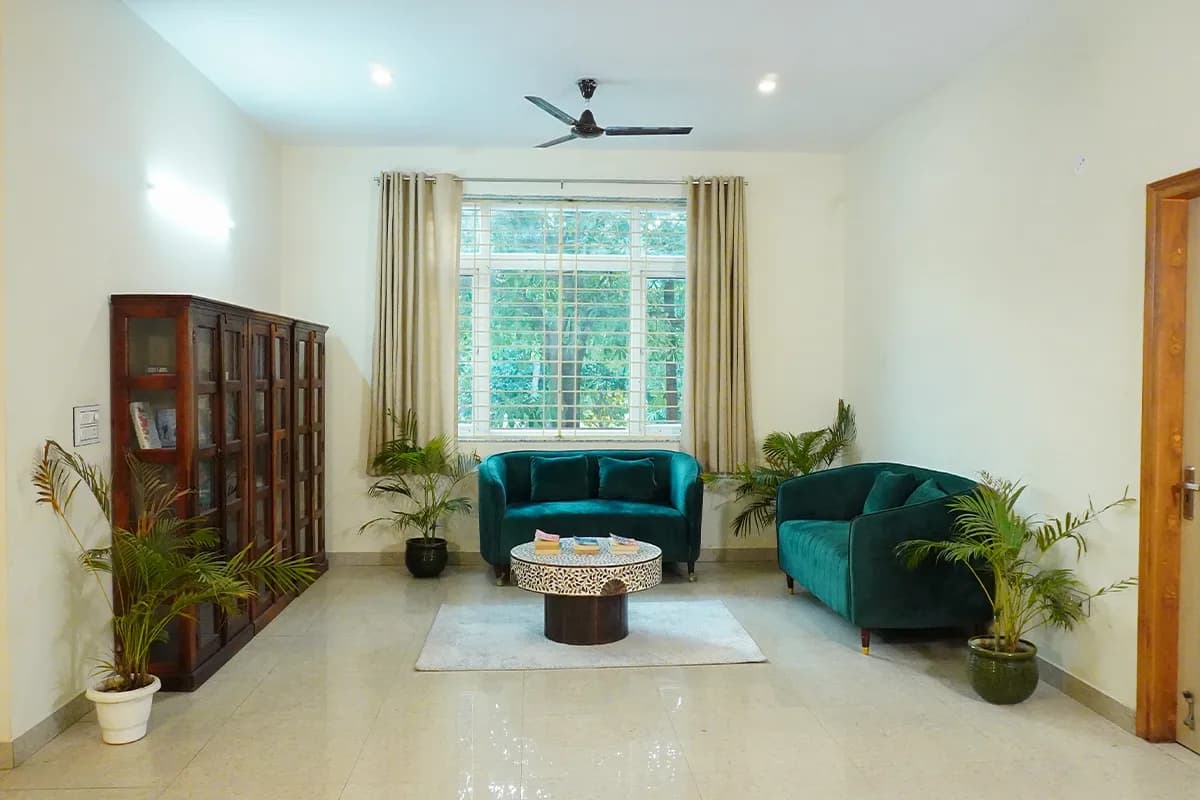
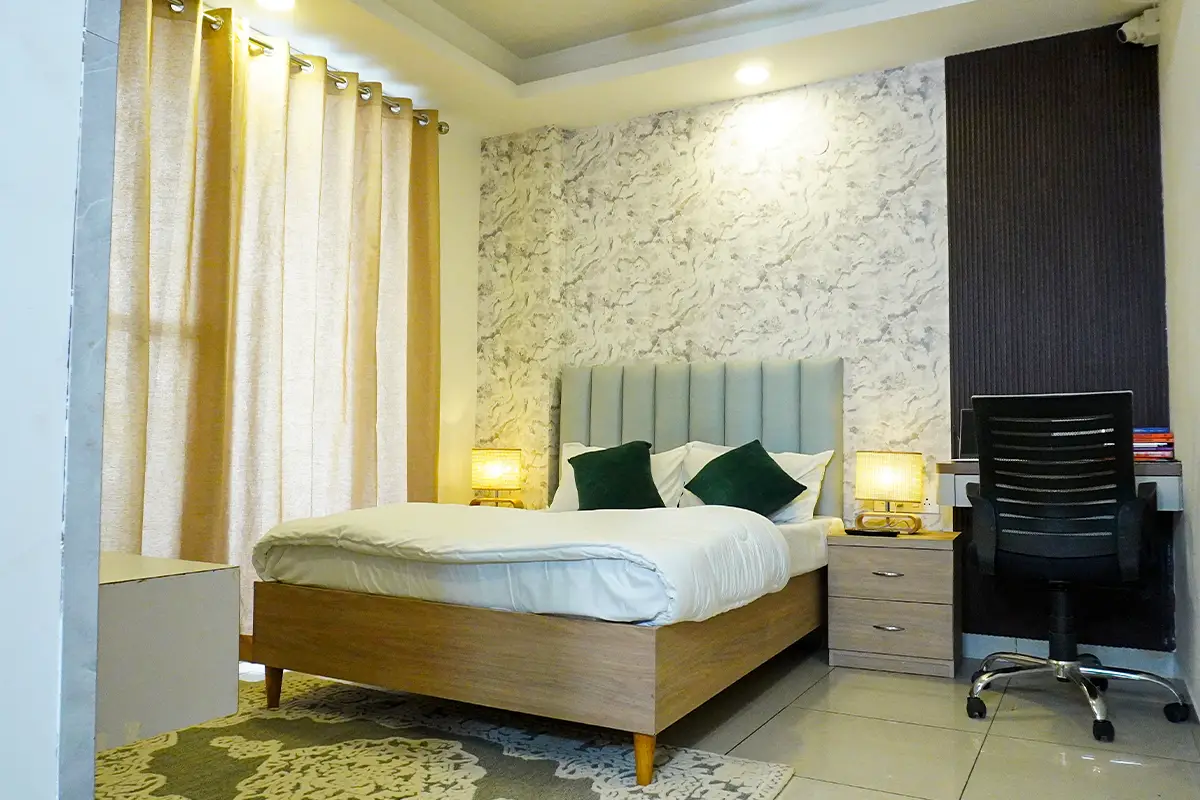
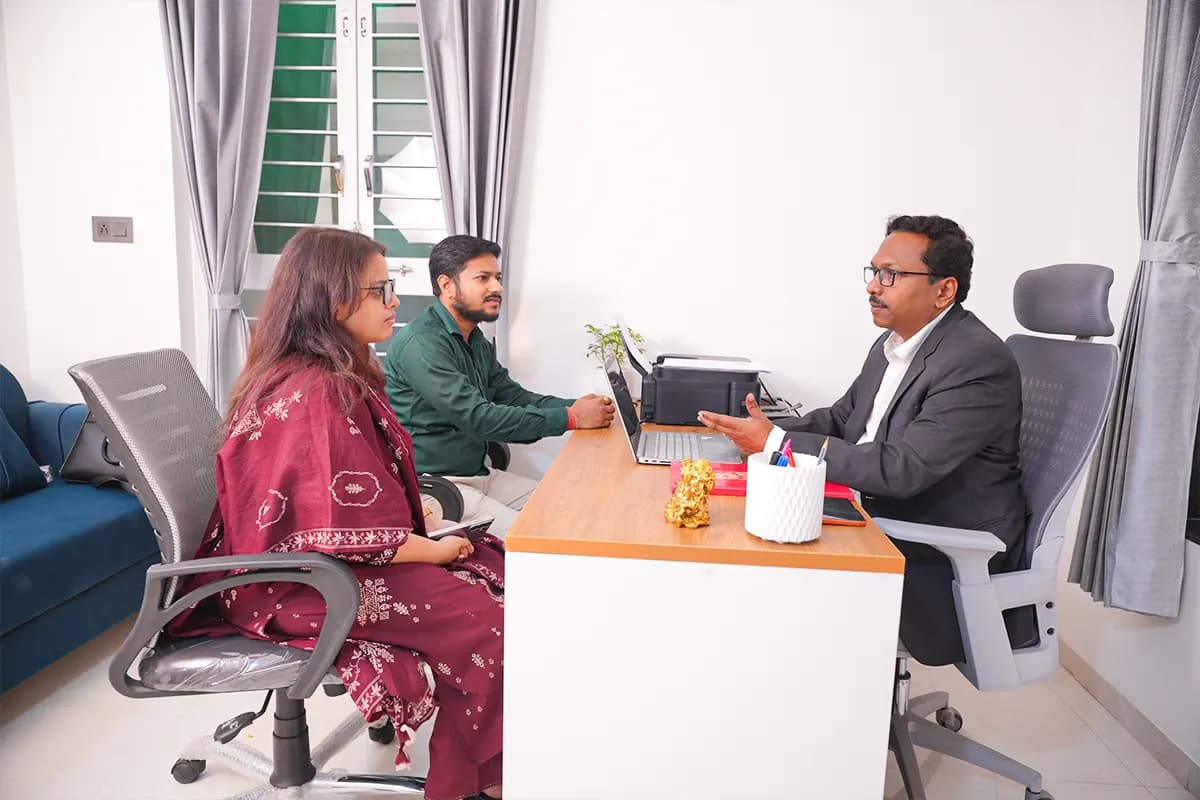
Call or WhatsApp us on +91 9822207761→Inside Our Mental Hospital in Delhi
Conditions We Treat
Delhi is a city that demands much from its residents. Long commutes, intense competition, and the constant pressure to perform take a toll on mental well-being. At our mental health hospital in Delhi, we treat the full spectrum of psychiatric conditions , from acute crises that require immediate intervention to long-term conditions that need consistent management. Every person who comes to us receives a thorough psychiatric assessment before any treatment begins. This helps us understand their history, their specific challenges, and what recovery looks like for them.
Depression (including major depressive disorder and dysthymia)
In Delhi's high-stakes work culture, depression often goes unnoticed until it starts interfering with daily functioning. The city's corporate and government job pressures can intensify symptoms like persistent low mood, changes in sleep patterns, and loss of interest in activities that once brought joy. Simple tasks can begin to feel overwhelming, and this state can persist for weeks or months.
Bipolar Disorder
In Delhi's professional and social circles, the highs of bipolar disorder can be mistaken for ambition rather than a symptom. Episodes of elevated mood, racing thoughts, and impulsive decisions alternate with periods of deep depression and exhaustion. The lows are often hidden until they become impossible to manage on their own. With consistent psychiatric care and medication management, many patients achieve stability.
Schizophrenia
In Delhi, families managing schizophrenia often find themselves navigating repeated hospitalisations without a clear path forward. The condition disrupts a person's perception, thought processes, and emotional responses. Symptoms include delusions, hallucinations, disorganised speech, and difficulty with focus or memory.
Generalised Anxiety Disorder (GAD)
For Delhi's students preparing for competitive exams, many living away from home, GAD involves persistent, excessive worry along with physical symptoms like restlessness, fatigue, muscle tension, and difficulty sleeping. What starts as exam stress can spread into daily life, often going unrecognised until it disrupts performance. With structured therapy and medication, this cycle can be broken.
Obsessive-Compulsive Disorder (OCD)
OCD involves unwanted, intrusive thoughts that cause distress, followed by repetitive behaviours or mental acts performed to reduce that distress. Evidence-based therapy and medication management are effective treatments.
Post-Traumatic Stress Disorder (PTSD)
In Delhi's fast-paced, high-density urban environment, the stress of daily life can sometimes trigger or worsen trauma-related symptoms. The condition involves intrusive memories, nightmares, flashbacks, avoidance of reminders, and a heightened state of alertness. With specialised mental health support, individuals can process trauma and rebuild their lives.
Personality Disorders
Personality disorders are deeply rooted patterns of thinking and reacting that affect how a person relates to others and handles daily life. Common types include borderline, antisocial, avoidant, and dependent personality disorders. With long-term psychiatric care and therapy, individuals can develop healthier ways of thinking and relating to others.
Dual Diagnosis Care
When a psychiatric condition and substance use disorder occur together, each can intensify the other. Delhi's corporate work-socialising culture, where alcohol is often central to networking and celebrations, can make it harder to recognise when casual use has crossed into dependence. Recovery is possible only when both are treated in tandem. Our mental rehabilitation centre in Delhi provides integrated care for dual diagnosis.
Acute Psychiatric Emergencies
In a city like Delhi, getting timely help during a psychiatric crisis can be as challenging as the crisis itself. These episodes, where someone may be a danger to themselves or others due to severe confusion, psychosis, or suicidal thoughts, need immediate evaluation and support.
Emergency admissions at our Delhi centre are managed by our on-site psychiatric team, with immediate assessment and stabilisation. Involuntary admissions, where clinically necessary, are conducted strictly in accordance with the Mental Healthcare Act 2017, ensuring patient rights are fully protected.
Reach out now. Our team is available 24/7 to help.
Call or WhatsApp us on +91 9822207761→Why Families in Delhi Choose Jagruti Mental Hospital
Delhi is not an easy city to live in. The pace is relentless. The pressure to keep up, to maintain appearances, to meet expectations at work and at home leaves little room for rest. When a family member struggles with their mental health, the weight of managing it quietly often feels heavier than the condition itself.
At Jagruti, we understand this reality because we see it every day. We know that families in Delhi are not just looking for a hospital. They are looking for a mental hospital in Delhi NCR that understands their world, offers expert care without judgement, and respects their privacy while keeping them involved.
Here is what families in Delhi value about our approach:
Serving Delhi Families with 18+ Years of Expertise
40+ Specialists, Unified Approach
17 Centres, One Standard of Care
ISO & NABH Compliant
Family-Inclusive Psychiatric Care
Complete Confidentiality Under the Mental Healthcare Act 2017
Looking for the best mental hospital in Delhi for your loved one? Our team is here to listen without judgement.
Call or WhatsApp us on +91 9822207761→About the Mental Healthcare Act 2017
The Mental Healthcare Act 2017 came into effect on 29 May 2018, replacing the earlier 1987 legislation with a framework that prioritises the individual over the diagnosis [1].It gives patients the right to appoint a nominated representative, establishes review boards to oversee rights, and supports the confidentiality of medical records. At Jagruti, we uphold these standards daily.
In Delhi, the Delhi State Mental Health Authority is responsible for enforcing the Mental Healthcare Act 2017 across the capital. Families and patients who believe their rights under the Act have been compromised can approach this authority. The authority also inspects and registers mental health establishments and maintains a register of practising mental health professionals.
Our Psychiatric Treatment Programmes
Delhi families searching for psychiatric care are often in a hurry. They cannot afford to wait weeks for an appointment or travel hours across the city for a consultation. That is why our programmes are designed to meet families where they are, whether that means immediate crisis stabilisation or long-term residential care. Here is what we offer at our mental hospital in Delhi.
-Programs.svg)
Acute Inpatient Care
Psychiatric crises demand immediate intervention. When a patient arrives with severe depression, acute psychosis, or a manic episode, our priority is stabilisation. We provide round-the-clock monitoring, daily psychiatric evaluations, medication oversight, and structured therapeutic support in a secure environment.

Short-Term Stabilisation Programme
Some patients require more than a few days of acute care but are not ready to return home. This programme is designed for individuals experiencing their first episode of psychosis, a severe depressive episode needing extended support, or those whose medication requires close supervision. Daily psychiatrist consultations, individual therapy, group sessions, and family involvement form the core of this structured approach at our hospital for mental health in Delhi.

Long-Term Residential Care
Chronic psychiatric conditions such as schizophrenia, bipolar disorder, treatment-resistant depression, and dual diagnosis require sustained care. Our long-term residential programme provides an extended stay in a structured environment where patients can focus on stabilisation and functional rehabilitation. This includes medication management, skill-building, therapy, and gradual reintegration into daily life. At our Naraina centre, residential care is delivered in a calm, home-like setting that supports mental health rehabilitation.

Outpatient Services
Not every individual requires full-time residence to receive psychiatric care. For those who are medically stable, transitioning back home, or managing ongoing conditions, outpatient services offer the convenience of psychiatric consultations, medication reviews, and therapy without overnight stays. OPD appointments are available throughout the week and can be scheduled directly without a referral.

Electroconvulsive Therapy (ECT)
For individuals with treatment-resistant depression, catatonia, or acute mania, ECT remains an effective intervention when other approaches have not yielded results. The procedure is performed under anaesthesia in a controlled clinical environment with a full medical team present throughout.

Medication Management
As a trusted psychiatric rehabilitation centre in Delhi, we prioritise medication oversight. Our psychiatrists assess each patient's response to medication, make dosage adjustments when needed, and monitor for side effects. At our Delhi centre, medication reviews are conducted daily during inpatient stays by our on-site psychiatric team.
Find the right programme for your loved one. Call our Delhi team today.
Call or WhatsApp us on +91 9822207761→Our Psychiatrists in Delhi
For families who may have concerns about what a mental asylum in Delhi looks like, our centre offers a different experience. Psychiatric care here is delivered by a team of full-time specialists actively involved in daily rounds, treatment planning, and care decisions. This ensures your loved one receives consistent, uninterrupted medical attention.


Daily Life at Jagruti Mental Hospital in Delhi
6:00 - 6:30 AM
Wake up


7:00 - 7:30 AM
Tea / Coffee
7:30 - 8:30 AM
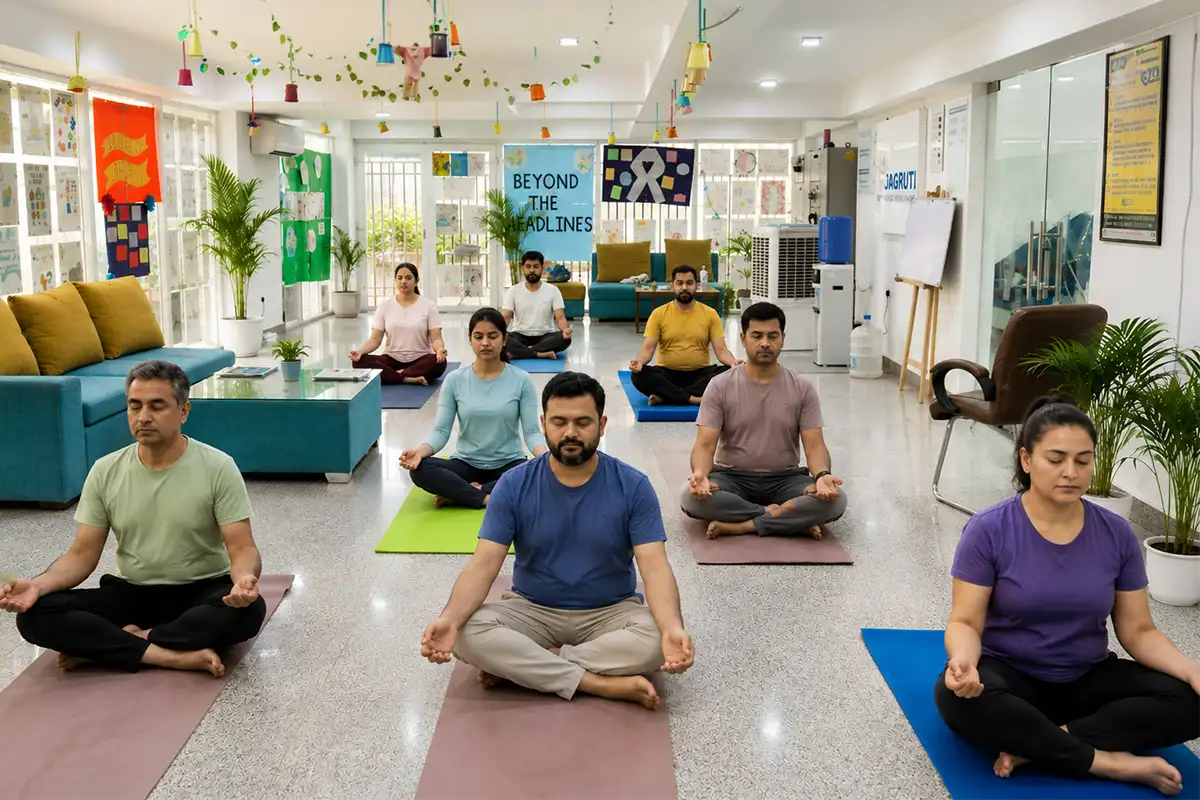
Yoga and Meditation


9:00 - 9:30 AM
Breakfast
10:30 - 11:30 AM
Group Therapy


12:00 - 1:00 PM
Lunch
2:00 - 4:00 PM
Counselling

4:00 - 5:00 PM
Tea & Activities
5:00 - 6:00 PM
Outdoor Fun

7:30 - 8:30 PM
Dinner
Inpatient Facilities in Delhi
When you walk into a psychiatric facility, your first concern is not the architecture. It is the person you are bringing there. You want to know that the room they will sleep in is safe, the staff will be present when needed, and the environment will not add to their distress. At our mental rehabilitation centre in Delhi, we have designed every space with these concerns in mind.
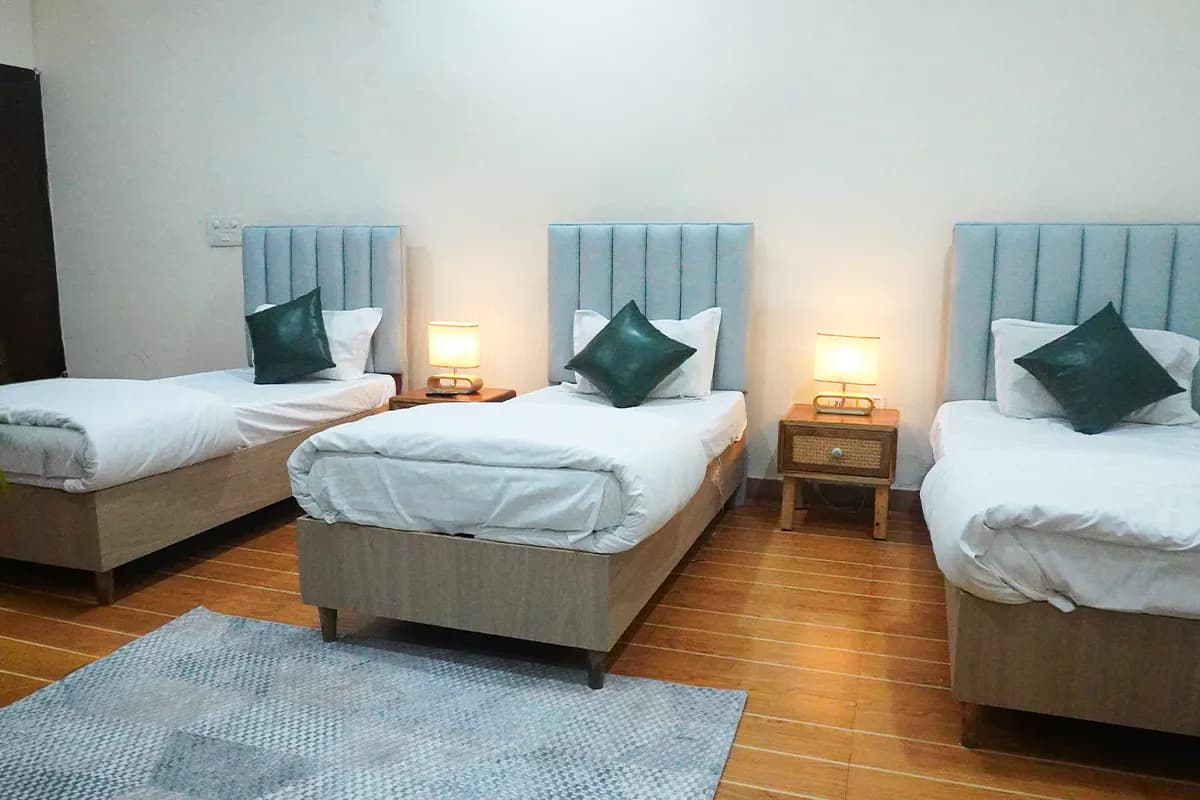
Room Categories
We offer a range of accommodation options to suit different clinical needs and personal preferences. All rooms are well-ventilated, maintained to high standards of cleanliness, and designed to provide a comfortable space for healing.
For detailed pricing information and room availability, please contact our admissions team at +91 9822207761 (24x7 available).
Safety Infrastructure
Patient safety is the foundation of everything we do at our Delhi centre. This commitment to care is what makes Jagruti a trusted choice for families seeking the best mental hospital in Delhi.
Our facility is equipped with:
- Continuous surveillance through CCTV monitoring in all common spaces
- Restricted ward access with controlled entry points
- Nursing staff available around the clock on every floor
- Established emergency protocols for both medical and psychiatric crises
- Enclosed outdoor areas for supervised recreation
- Advanced monitoring technology for patient safety
Therapy & Common Spaces
Beyond rooms, our centre offers dedicated spaces designed to support healing and connection:
- Individual therapy rooms serve as private spaces for one-on-one counselling sessions.
- Group therapy rooms are used for family therapy and group sessions.
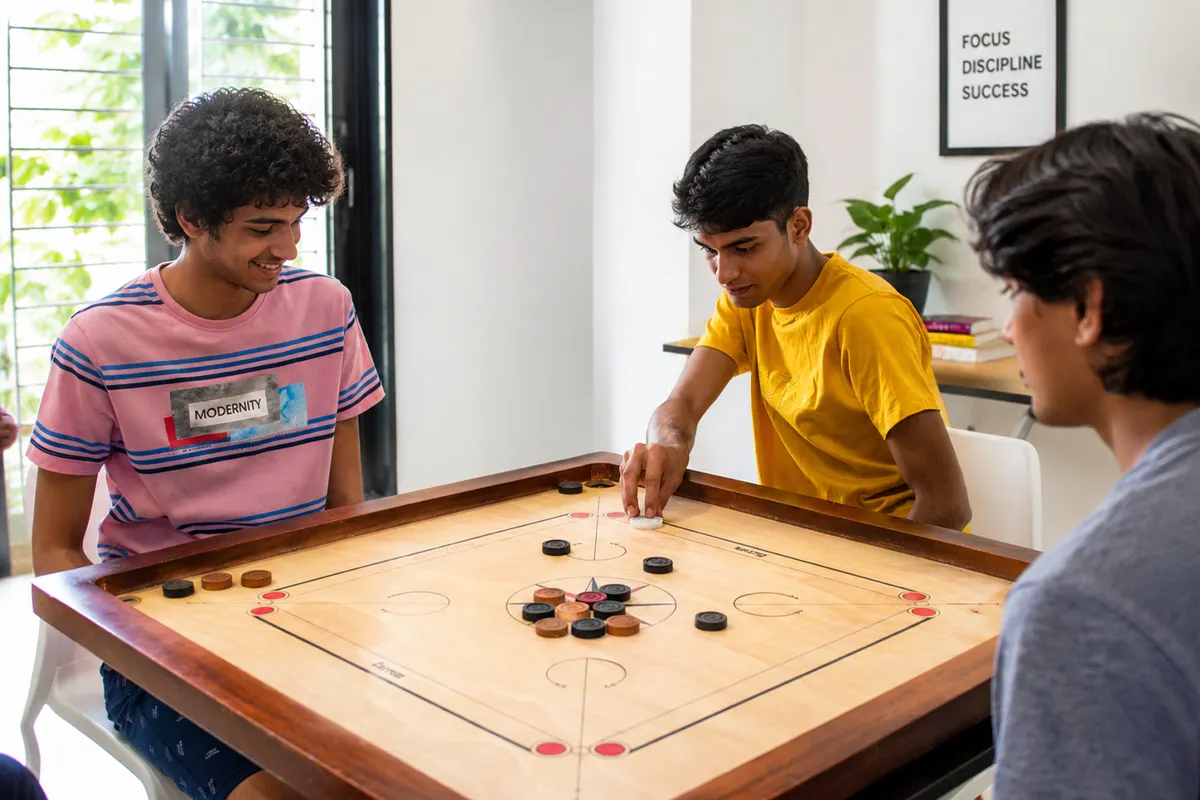
- Activity areas are designed for art, music, and recreational therapy.
- Outdoor spaces include secure gardens and open areas for fresh air and relaxation.
- The dining hall offers communal meals that encourage social connection among residents.
Most residents have three individual therapy sessions each week, along with two group sessions daily. Individual sessions last between 30 and 60 minutes, while group sessions run for 1 to 2 hours. These schedules are flexible and tailored to each person's progress and needs.
For detailed pricing information and room availability, please contact our admissions team at +91 9822207761.
Call or WhatsApp us on +91 9822207761→Admission Process at Our Delhi Mental Hospital
If you are reading this page, you are likely looking for psychiatric care for yourself or for someone you love. You might be searching for answers, or you might be in the middle of a crisis right now. Our team at Jagruti's mental hospital in Delhi is available 24 hours a day, 7 days a week to answer your questions and guide you through the next steps.
Step 1: What to Do in an Acute Psychiatric Crisis
If someone you love is in crisis, please reach out immediately. We are here to guide you through the next steps and help you access the right care without delay. Emergency admission support: +91 9822207761 (available 24/7) If the situation is life-threatening, call 112 (India's emergency helpline) or go to the nearest hospital emergency room.
Step 2: Visit our centre
Reaching out is the first step, and we have made it simple. Our admission line is available 24 hours a day, 7 days a week. When you call, you will speak to our admissions team who will listen to your concerns without judgement. They will ask a few questions to understand the nature and urgency of your situation, and then guide you on the next steps. Once you decide to proceed, you can visit our centre directly at Naraina. We are located right next to PVR Naraina, a well-known landmark in West Delhi. Walk in during visiting hours or call ahead to let us know you are coming. Our team will receive you, answer your questions, show you around the facility, and help you understand the treatment process.
Step 3: What Happens When You Arrive
From the moment you arrive at our Naraina centre, our admissions team is ready to receive you. The team will greet you, help your loved one settle into a safe space, and immediately notify the clinical team. A psychiatrist will conduct a thorough psychiatric assessment as soon as possible, discuss the next steps with you, and answer any questions you have.
Step 4: What to Bring
If admission happens the same day, please bring:
- Identity proof (Aadhaar, voter ID, or passport) for the patient
- Medical records from any previous treatment
- A list of current medications with dosages
- Two sets of comfortable clothes, toiletries, and slippers
- A mobile phone
Please do not bring:
For your loved one's safety and the safety of others, we ask you not to bring substances, sharp objects, or outside food. We provide all meals, medications, and necessary items.
Step 5: Who You Will Speak to On the Ground
Our Delhi centre manager will guide you through the entire process once you reach the centre. They will walk you through the admission paperwork, show you around the facility, introduce you to the clinical team, and answer any questions you have.
A single call could give you the clarity you have been looking for.
Call or WhatsApp us on +91 9822207761→Transition & Aftercare Planning in Delhi
Bringing your loved one home after a hospital stay is a major shift. At Jagruti Delhi, we see discharge not as an ending, but as the beginning of a new phase. Our goal is to make this transition as steady and well-supported as possible.
Structured Support After Discharge
Before your loved one leaves our centre, our team works with them and your family to create a detailed plan for the weeks ahead. This is not a generic checklist. It is built around their specific needs, living situation, and treatment goals. The plan may include scheduled therapy sessions, medication management with our psychiatrists, continued counselling, and a clear strategy for managing stress and recognising early warning signs.
Regular Check-Ins
The first few weeks after discharge can feel uncertain. That is why we schedule follow-up sessions at 30, 60, and 90 days. These check-ins help us identify any concerns early and ensure your loved one remains on track.
Ongoing Medication Support
Psychiatric medication requires continued attention even after a patient returns home. Our Delhi psychiatrists remain available to review how your loved one is doing, adjust dosages if needed, and monitor for side effects. We ensure the medication plan evolves with their changing needs.
Continued Access to Therapy
Your loved one can continue individual therapy (CBT, DBT) and family counselling on an outpatient basis after discharge. These sessions provide a space to address challenges that arise during the transition back to daily life.
Re-Admission Without Judgement
Psychiatric conditions do not always follow a linear path. If symptoms return or your loved one needs additional support after going home, we offer re-admission without judgement. Our Delhi team understands that setbacks are part of the process, and we are here whenever you need us.
Take the next step. Our Delhi team will help you prepare for life after discharge.
Call or WhatsApp us on +91 9822207761→Mental Health Care in Delhi - Why It Matters
Delhi's Mental Health Landscape
Delhi is a city of ambition and pressure. As the national capital, it attracts people from across India who come for government jobs, corporate careers, and academic opportunities. But the same opportunities that draw people here also create stress. The city's high-stakes environment, coupled with the challenges of migration and urban isolation, has made mental health support more critical than ever.
A study conducted among 100 young adults (20-30 years) in Delhi NCR found a significant positive relationship between anxiety and depression (Pearson's r = 0.65). Participants reported average anxiety and depression scores of 18.74 and 18.88, highlighting the considerable prevalence of mental health symptoms in this age group [2].These findings highlight the urgent need for accessible mental health treatment and early intervention in the capital.
For working adults, the pressures are equally intense. Delhi's competitive job market, long working hours, and the constant need to perform take a toll on mental well-being. The city's sprawling urban environment means that even basic activities like commuting can become a source of daily stress. Over time, this chronic stress contributes to rising rates of anxiety, depression, and burnout.
Government Psychiatric Facilities in Delhi
Delhi has several government-run psychiatric facilities that provide essential services to residents. The Institute of Human Behaviour and Allied Sciences (IHBAS) is Delhi's premier public psychiatric hospital. Established in 1993, it is a 500+ bedded autonomous hospital under the Government of NCT of Delhi, providing tertiary care in mental health and neurosciences. [3]. Dr. Ram Manohar Lohia Hospital has a well-established psychiatry department and offers emergency psychiatric services. [4]. AIIMS Delhi also has a renowned Department of Psychiatry [5].
The Delhi State Mental Health Authority is responsible for enforcing the Mental Healthcare Act 2017 across the capital. The Government of NCT of Delhi oversees public mental health programmes under the National Mental Health Programme (NMHP).[6]
These institutions provide essential services, but long waiting lists and limited beds mean families often wait weeks or months for admission. That is where a private psychiatric hospital like Jagruti makes the difference.
Community Support Resources in Delhi
For families and individuals in Delhi seeking immediate support, several resources are available:
- The Vandrevala Foundation provides 24/7 free and confidential crisis intervention support at 9999666555.[7]
- iCall, operated by TISS, offers free telephone and email counselling from Monday to Saturday, 10 AM to 8 PM, at 9152987821.[8]
- The government's Tele-MANAS helpline (14416 or 1-800-891-4416) provides round-the-clock mental health services in multiple languages.[9]
- The Kiran helpline (1800-599-0019) offers 24x7 mental health rehabilitation support.[10]
- Sanjivini Society for Mental Health is a Delhi-based NGO providing free counselling and support groups.[11]
Why Timely Psychiatric Care Matters in Delhi
Early intervention can change the trajectory of a psychiatric condition. The sooner someone receives treatment, the better the outcome. For families searching for a psychiatric hospital near me, our Naraina location offers immediate access to care without waiting lists. When every moment counts, having a trusted psychiatric hospital in Delhi that offers immediate, confidential, and structured care makes all the difference.
If you are looking for one of the best psychiatric hospital in Delhi NCR, our team is here to help.
Call or WhatsApp us on +91 9822207761→Stories From Our Amazing Patients

I did not want to go to the rehab center after the accident being anxious, but Jagruti was helpful. It is all very organized and the staff are very friendly and did not rush me through the process of each treatment. It was great to have sessions with a qualified physical therapist that made adjustments according to my rehabilitation plans and notice that I began to stabilize my mobility and strength. Lack of words to describe how I appreciated the support I got at Jagruti rehabilitation centre.
At first, my brother refused to go to rehab, but the staff at Jagruti rehabilitation centre changed his mind and he liked their optimism and professionalism. They developed the unique treatment plan that would meet his demands and special needs. It was really gratifying to see him get his freedom back, and I am so grateful for the treatment he got.
My daughter was not able to handle the emotional part of her injury together with the physical part which she also had to endure. All the therapists I met at Jagruti rehabilitation centre were professional and knowledgeable but what made a real impression was how caring they were. They assisted to build her coping strategies and clients in every step of her recovery process.
First of all the environment at Jagruti was very welcoming and friendly, I did not even feel awkward or uncomfortable when I first got there. The equipment is advanced and the staff are professional and well informed. I also liked that usage of different games and interesting tasks during the therapy which make the process more interesting and encouraging.
Of all the places, Jagruti has been a place where people do care for your recovery and get well soon. The therapists are experienced and ask the patient how he or she is feeling from time to time. I want to express my deep gratitude to them and the things which they did for me. They set the realistic goals, and it is important as every minor success is encouraged. I must suggest this centre for any person that may require the services of rehab.
My son is mentally challenged and are in need of close observation most of the times. The staffs at Jagruti Rehabilitation Centre remained so caring to him and friendly. They had to work around his learning ability, and he almost always reacted well to encouragement. I got such an impression from them because they are rather professional, and the environment they established is caring. He has done very well!
I have only good things to say about Jagruti Rehabilitation Centre. This means that the therapies given are many and are capable of addressing a variety of recovery objectives. The staff is always very polite but still friendly so you never feel nervous to ask questions. This is another way they made me feel better, and I have been assisted to be able to walk, and I believe, I should be able to go back to my normal activities.
To be very honest, taking my sister to Jagruti Rehabilitation Centre is something I and she took as one of the best decisions in my life. The centre is quite well coordinated and each staff in the centre has the zeal to help their patients. I think that they have communicated her treatment plan and how she was progressing very well. They have said one of them felt good knowing she was in such capable hands, and she is now much more independent.
The particular issue I want to highlight is that I joined Jagruti when I was in a complete confused state” after a severe injury. The team helped me with my emotional issues too. They made a space in which I felt I could talk about my emotions and concerns. I will be eternally thankful as their approach improves on all aspects of my life and I am on the right track to a complete recovery.
This is indeed true that my interaction at Jagruti Rehabilitation Centre for Mental Health was a real turning point of my life. I did not feel out of place from the moment I got there and everyone was nice to me. The staff was friendly and really patient while helping me to choose the options that were most suitable to me. Another aspect was how the therapy sessions were built with regard to physical and mental rehabilitation. All thanks to their constant support, I am now back on my feet financially and very confident too.
Licences & Certificates
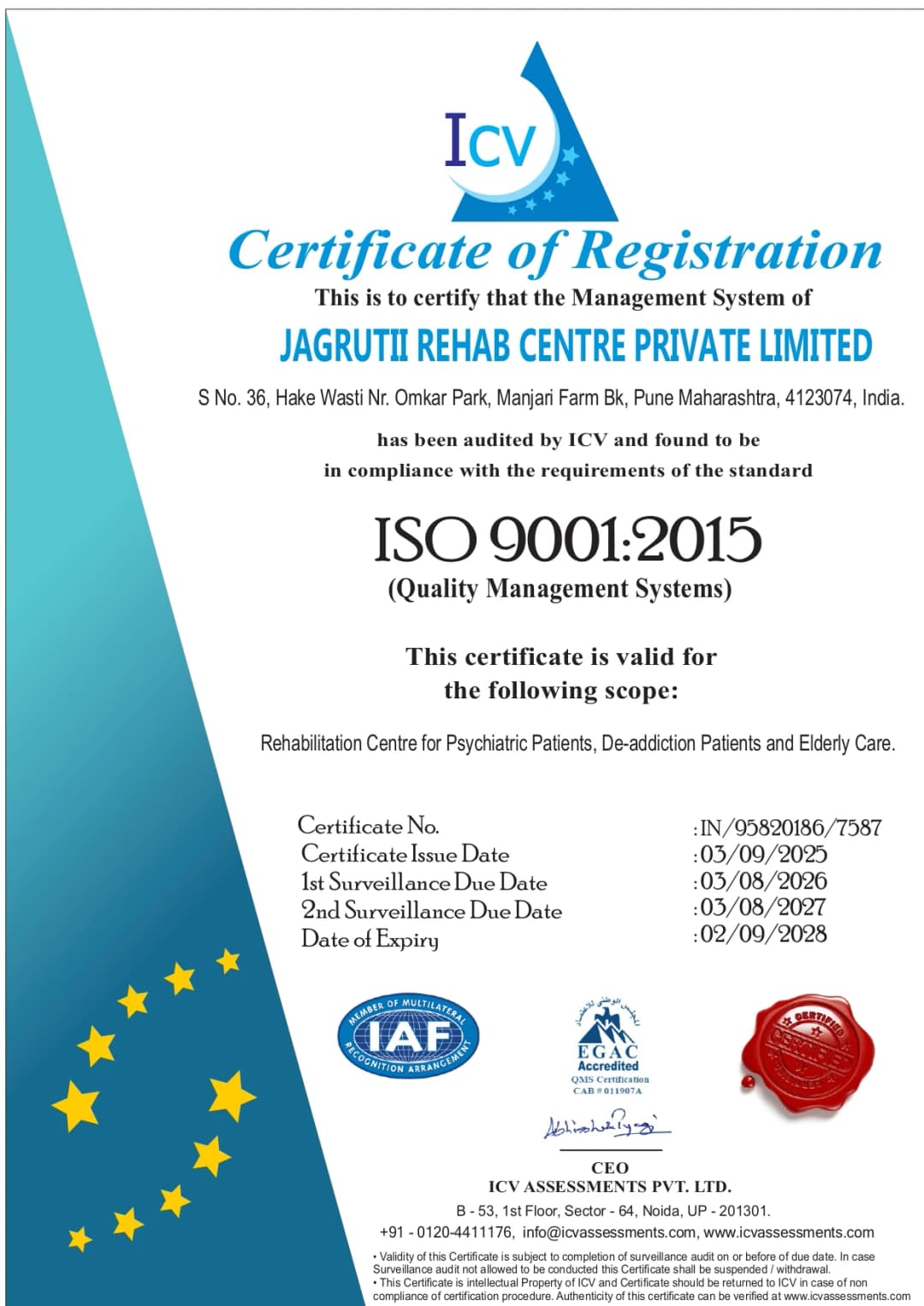
ISO 9001:2015 Certified Rehabilitation Centre
Jagruti Rehabilitation Centre is proud to be an ISO 9001:2015 certified rehabilitation centre. This certification, with Certificate No. IN/95820186/7587, is a testament to our unwavering commitment to maintaining the highest standards of quality management in all our services. This certificate assures confidence that the centre offers safe, consistent, and quality care for all patients.
Where We Are Located in Delhi
Jagruti Rehabilitation Centre in Delhi
Phase 1 Community Center, 60, Munshi Ram Gupta Marg, near PVR, Naraina, New , Delhi, Delhi 110028, Naraina, Delhi 110028
Frequently Asked Questions
How do I take admission for someone who does not want to go?
Do you provide emergency psychiatric services 24/7?
How long does a patient typically stay at your mental hospital?
How much does treatment cost at Jagruti Delhi?
Can I visit the centre before making a decision?
Is Jagruti Delhi a government or private mental hospital?
What makes Jagruti Delhi different from other psychiatric hospitals?
What conditions do you treat at your Delhi centre?
What is the visiting policy at Jagruti Delhi?
Will my loved one be able to use their phone or contact family during treatment?
Which areas in Delhi NCR do you serve?
How is discharge planned at Jagruti Delhi?
Do you offer outpatient services after discharge?
What should I do if my loved one's symptoms return after discharge?
Is family support available after discharge?
News and Media









Case Studies

Mental Illness Case Study: Recovery from Depression and Anxiety
Author: Dr. Amar Shinde
Updated: 25 Jun 2025

Schizophrenia Case Study: A Young Adult’s Journey to Recovery
Author: Dr. Amar Shinde
Updated: 15 May 2025

Severe Depression Case Study: The Steps That Led to Recovery
Author: Dr. Amar Shinde
Updated: 12 May 2025

Bipolar Disorder Case Study on Diagnosis, Treatment, and Recovery
Author: Dr. Amar Shinde
Updated: 8 Dec 2024
Get an appointment for
free consultation
Reviewed By & References
Written & Medically Reviewed By Dr. Amar Shinde , Senior Psychiatrist (M.B.B.S, D.P.M, F.I.P.S.) with over 23+ years of experience
Last Updated: 15 July 2026
Reference List
[1] Government of India. (2017). The Mental Healthcare Act, 2017 (No. 10 of 2017). India Code. Available at: https://www.indiacode.nic.in/handle/123456789/2249
[2] Khanna, S., & Gautam, S. K. (2024). Depression and anxiety disorders among young adults of Delhi NCR. International Journal of Indian Psychology, 12(2). https://ijip.in/wp-content/uploads/2024/05/18.01.199.20241202.pdf
[3] Institute of Human Behaviour and Allied Sciences (IHBAS). (n.d.). About IHBAS. Available at: https://ihbas.delhi.gov.in/
[4] Dr. Ram Manohar Lohia Hospital. (n.d.). Department of Psychiatry. https://rmlh.nic.in/departments.aspx?lsid=136&lev=1&lid=141&office_id=1&dept_id=39&langid=1
[5] All India Institute of Medical Sciences. (n.d.). Department of Psychiatry. https://www.aiims.edu/index.php/en/departments-and-centers/departments?id=671
[6] Directorate General of Health Services, Ministry of Health and Family Welfare, Government of India. (n.d.). National Mental Health Programme (NMHP). https://dghs.mohfw.gov.in/national-mental-health-programme.php
[7] Vandrevala Foundation. (n.d.). Mental health helpline. Available at: https://www.vandrevalafoundation.com/free-counseling
[8] Tata Institute of Social Sciences. (n.d.). iCALL psychosocial helpline. Available at: https://icallhelpline.org/
[9] Ministry of Health and Family Welfare, Government of India. (n.d.). Tele-MANAS. Available at: https://telemanas.mohfw.gov.in/
[10] Department of Empowerment of Persons with Disabilities, Ministry of Social Justice and Empowerment, Government of India. (n.d.). Kiran Helpline. Available at: https://depwd.gov.in/
[11] Sanjivini Society for Mental Health. (n.d.). About Sanjivini. Available at: https://sanjivinisociety.org/