
Alcohol Rehabilitation Centre in Mumbai
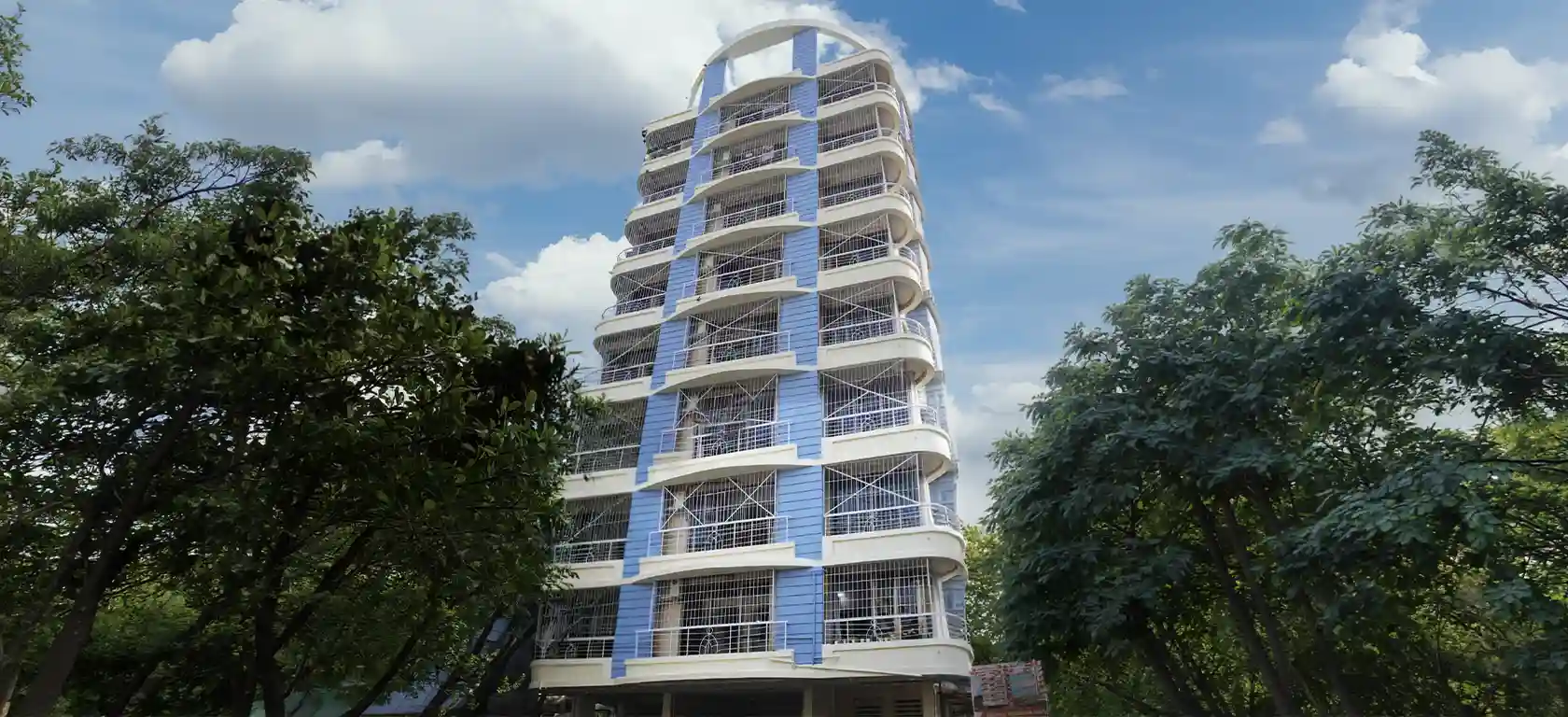


About Jagruti's Alcohol Rehabilitation Centre in Mumbai
Written & Medically Reviewed By:
Dr. Nimisha H Nair, Consultant Psychiatrist (MBBS, DPM Psychiatry), with 7+ years of experience
Last Updated: 12 Oct 2026
Alcohol dependence can feel overwhelming, but it is a condition that can be treated effectively. The most critical risk comes during withdrawal, when seizures and delirium tremens (DTs) can emerge within hours of stopping drinking. The danger is not the addiction itself, but what happens during detox without medical supervision.
At Jagruti's alcohol rehabilitation centre in Mumbai, we have been treating alcohol dependence since our Malad East centre opened in 2022. Our Malad East facility operates with 55 inpatient beds and is supported by a team of 7+ specialist doctors, including consultant psychiatrists, psychologists, and addiction counsellors, who work on-site daily. Our team understands the specific medical and psychological challenges that come with alcohol addiction such as the physical withdrawal symptoms, the intense cravings, the underlying anxiety and depression that often accompany heavy drinking, and also the toll it takes on families.
Our approach is grounded in medical evidence and clinical experience. From the initial assessment through every stage of treatment, the same team remains responsible for the patient's care. This integrated, medically-led approach is what makes us a trusted alcohol addiction treatment centre in Mumbai and a preferred choice for families across the city.
For a closer look at our facility, clinical team, and daily routine, visit our main Rehabilitation Centre in Mumbai page.
Speak with our Mumbai-based alcohol rehab specialists.
Call Now→Understanding Alcohol Dependence
Alcohol dependence clinically referred to as alcohol use disorder exists on a spectrum. It is not simply about how much someone drinks, it is about what happens when they try to stop.
1. What Counts as Harmful or Dependent Drinking
The World Health Organization defines hazardous drinking as consuming 60 grams of pure alcohol (approximately 6 standard drinks, where one standard drink contains about 10 grams of alcohol) at least once per month [1]. Harmful alcohol consumption is defined as a regular average consumption exceeding 40 grams per day for women and 60 grams per day for men.
To put this in practical terms: [2]
| Women | Men | |
|---|---|---|
| Low Risk | <20 g/day | <40 g/day |
| Medium Risk | 20-40 g/day | 40-60 g/day |
| High Risk | >40 g/day | >60 g/day |
2. Warning Signs of Alcohol Dependence
Alcohol dependence has distinct behavioural and physical signs:

Tolerance
Needing to drink more over time to achieve the same effect

Morning drinking
Having a drink first thing in the morning to steady nerves or relieve withdrawal symptoms

Blackouts
Forgetting events that occurred while drinking

Withdrawal symptoms
Tremors, sweating, nausea, anxiety, or rapid heartbeat when alcohol wears off

Loss of control
Drinking more than intended or being unable to cut down

Neglecting responsibilities
Missing work, family obligations, or social commitments due to drinking
Why Tapering at Home Is Dangerous Once Dependence Has Set In
Many families believe that gradually reducing alcohol intake at home is a safe alternative to professional treatment. For someone who is dependent on alcohol, this approach can be life-threatening.
When the brain has adapted to chronic alcohol exposure, sudden reduction triggers a hyper-excitable state in the central nervous system. This can lead to seizures, severe agitation, hallucinations, and delirium tremens and even a medical emergency with a significant mortality rate if untreated. Home environments lack the medical monitoring, medications, and emergency response capabilities needed to manage these complications.
Understanding these stages is the foundation of effective alcohol dependency treatment, which is why comprehensive medical oversight is what families value in a best alcohol rehabilitation centre in Mumbai. Attempting to stop drinking without professional support is not a test of willpower, it is a medical risk that requires a clinical setting.
Safe detox needs medical supervision. Let our team guide you.
Call Now→The Science of Alcohol Withdrawal
Alcohol withdrawal follows a predictable timeline, and understanding this timeline helps explain why medical detox is essential.
Alcohol Withdrawal Timeline [3]
6–12 hours
Mild to moderate
12–24 hours
Moderate
24–48 hours
High
48–96 hours
Highest
Why This Risk Profile Makes Medical Detox Non-Negotiable
The seizure risk window (24–48 hours) and the DTs (Delirium tremens) risk window (48–96 hours) overlap to create a period of critical vulnerability. Delirium tremens involve severe confusion, fever, and cardiovascular instability conditions that require intensive medical management [3]. This is not a process that can be safely managed at home or in a non-medical setting.
At Jagruti's alcohol detox centre in Mumbai, withdrawal is managed on-site by psychiatrists and nursing staff who are trained to recognise early warning signs and intervene immediately. Benzodiazepines, which are considered the gold standard for alcohol withdrawal management are used to prevent seizures and reduce symptom severity.
What an Alcohol-Use Screening Covers During Intake
Upon admission, every patient undergoes a comprehensive assessment that includes:
- AUDIT (Alcohol Use Disorders Identification Test): A WHO-developed screening tool that evaluates drinking patterns, dependence symptoms, and alcohol-related problems
- Medical history: Including previous withdrawal episodes, seizures, or DTs
- Physical examination: Assessing vital signs, liver function, and nutritional status
- Psychiatric evaluation: Identifying co-occurring mental health conditions such as depression, anxiety, or trauma
- Laboratory tests: Blood work to assess liver enzymes, electrolyte balance, and other markers
Treatment at Our Alcohol Rehab Centre in Mumbai

Medically Supervised Alcohol Detox (7–10 Days)

Structured Alcohol Counselling

Relapse-Prevention Pharmacotherapy

Family Programme

Aftercare Support
Speak with our team about a treatment plan built around your recovery.
Call Now→Alcohol Use and Harm in Mumbai
In a city where the pace is relentless and the pressure to perform is constant, the toll on mental health and substance use is significant. Maharashtra has one of the highest rates of alcohol consumption in India. According to the National Family Health Survey (NFHS-5, 2019-20), 13.9% of men aged 15 years and above in Maharashtra consume alcohol. In urban areas of the state, this figure stands at 13%, while in rural areas it rises to 14.7% [4].
A large prospective cohort study involving over 35,000 men in Mumbai found that alcohol consumption increased the overall risk of mortality by 22%, with the highest risk observed for liver disease (hazard ratio = 3.19) [5]. The study also reported that the risk of death increased with greater alcohol consumption.
The impact extends beyond health. According to the state traffic department, drink-driving resulted in 126 fatal crashes in Maharashtra in 2022, claiming 133 lives. In the first six months of 2024 alone, Mumbai recorded 3,800 drunk driving cases, compared to 2,900 in the same period of 2023 [6].
Government Support Resources:
- Tele MANAS (Ministry of Health): 14416 or 1-800-891-4416 (A national mental health helpline available for immediate support) [7].
- Nasha Mukt Bharat Abhiyaan Helpline: 14446 (National De-addiction Helpline) [8].
- Maharashtra Mental Health Helpline: (104) (24/7 counselling)
- iCALL Psychosocial Helpline (TISS, Mumbai): 022-25521111 and 9152987821 [9].
- NIMHANS Mental Health Helpline: 080-46110007 (24/7, national) [10].
We at Jagruti are here to help you overcome alcohol dependence.
Call Now→Where We Are Located in Mumbai
Jagruti Rehabilitation Centre in Mumbai
Railway Station, Sushmita Building, Manchubhai Road, Ahead Fatima Devi School, near Malad Subway, Malad East, Mumbai, Maharashtra 400097
Frequently Asked Questions
How long does alcohol withdrawal typically last?
Is medical detox necessary for alcohol, or can it be done at home?
How do I recognise if someone is going into delirium tremens?
What's the difference between outpatient and inpatient care for alcohol dependence?
How much does alcohol-specific treatment cost at your alcoholism treatment centre?
What does alcohol addiction treatment actually involve on a day-to-day basis?
What if I'm struggling with my drinking and don't know where to begin?
Can a family member be admitted even if they don't want to go for alcohol withdrawal treatment?
How is alcohol treatment different from treatment for other substances?
Can I visit my family member during their stay?
What are the side effects of medications used in alcohol addiction treatment?
What aftercare support do you provide after discharge from Jagruti's alcohol rehab centre in Mumbai?
What health complications can untreated alcohol abuse lead to?
Get an appointment for
free consultation
Reviewed By & References
Written & Medically Reviewed By:
Dr. Nimisha H Nair, Consultant Psychiatrist (MBBS, DPM Psychiatry), with 7+ years of experience
Last Updated: 12 Oct 2026
Reference
[1] World Health Organization. (n.d.). Alcohol, heavy episodic drinking (population) past 30 days (HED). Global Health Observatory, Indicator Metadata Registry. Available at: https://www.who.int/data/gho/indicator-metadata-registry
[2] MacKillop, J., et al. (2022). Hazardous drinking and alcohol use disorders. Nature Reviews Disease Primers, 8(1), 80. Available at: https://pmc.ncbi.nlm.nih.gov/articles/PMC10284465/
[3] Cleveland Clinic. (2024). Alcohol withdrawal: Symptoms, treatment & timeline. Available at: https://my.clevelandclinic.org/health/diseases/alcohol-withdrawal
[4] International Institute for Population Sciences (IIPS) & ICF. (2021). National Family Health Survey (NFHS-5), 2019–21: India: Volume I. IIPS. Available at: https://dhsprogram.com/pubs/pdf/FR375/FR375.pdf
[5] Pednekar, M. S., et al. (2012). Association of alcohol, alcohol and tobacco with mortality: Findings from a prospective cohort study in Mumbai (Bombay), India. Alcohol, 46(2), 139–146. Available at: https://pubmed.ncbi.nlm.nih.gov/21908155/
[6] Maharashtra Traffic Police. (2022). Road accident data, Maharashtra 2022.
[7] Ministry of Health and Family Welfare, Government of India. Tele MANAS Helpline. Available at: manas.mohfw.gov.in
[8] Ministry of Social Justice & Empowerment. Nasha Mukt Bharat Abhiyaan. Available at: nmba.dosje.gov.in
[9] Tata Institute of Social Sciences (TISS). iCALL - Psychosocial Helpline. Available at: icallhelpline.org
[10] National Institute of Mental Health and Neurosciences (NIMHANS). Available at: nimhans.ac.in
[11] National Institute on Alcohol Abuse and Alcoholism. (n.d.). Medical complications: Common alcohol-related concerns. National Institutes of Health. Available at: https://www.niaaa.nih.gov/health-professionals-communities/core-resource-on-alcohol/medical-complications-common-alcohol-related-concerns
Disclaimer: This content is for informational use only and is not a substitute for professional medical guidance. Alcohol withdrawal and dependence must be assessed by a qualified medical professional. For help, consult a doctor or contact Jagruti for a private discussion.