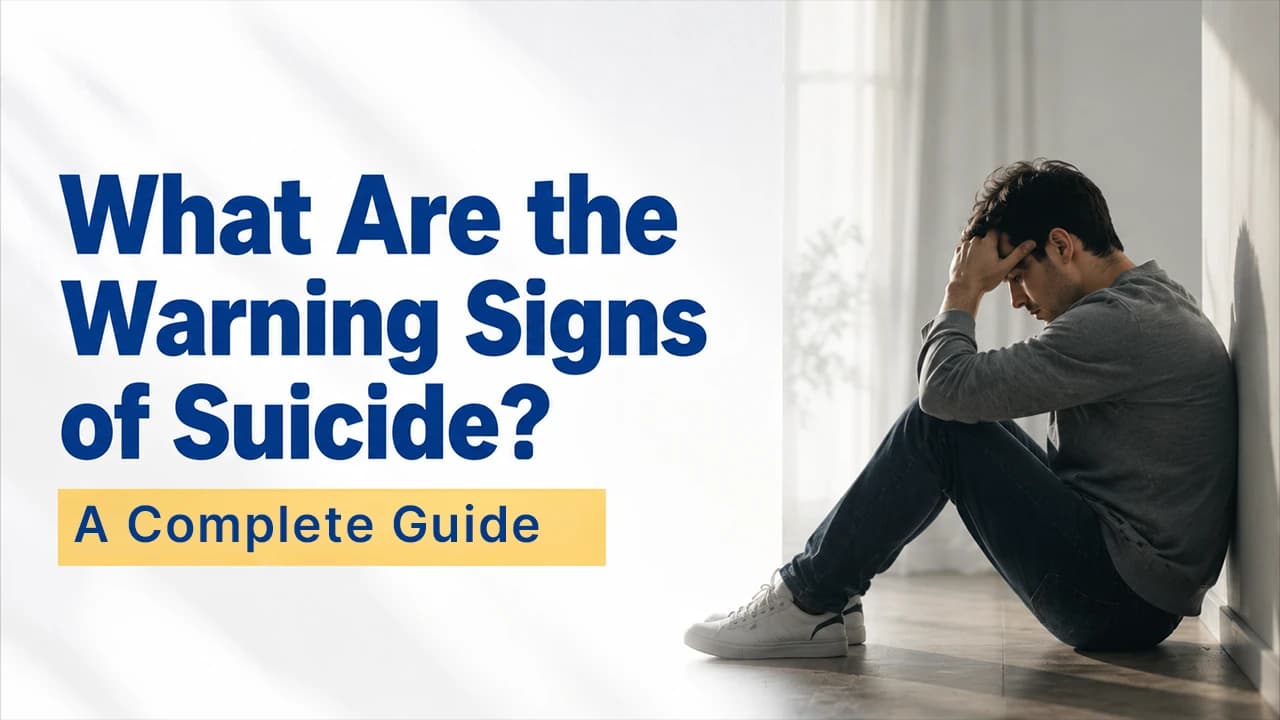


In today’s modern world, people are obsessed with their physical appearances and social achievements. In such cases, our mental well-being often gets ignored. Mental health is one of the most neglected topics in our society. One can easily discuss catching colds, physical pains, or injuries with their friends. However, when it comes to discussing our inner-self, there is an awkward silence. And this can be extremely dangerous.
Discussing mental health is not something to be ashamed of. It can save a life. Such conversations not only reduce shame, but makes people realize that they are not alone. Lack of mental peace leads to anxiety disorder and prolonged emotional pain later.
This guide acknowledges how mental health matters and what we can do to support our dear ones.
Introduction to Mental Health
The emotional, psychological and social well-being of an individual is known as mental health. It relates to a person's ability to cope with stress, recognise their abilities, and perform well at work or study. [1] No one can be happy all the time - sadness, fear and frustration are a part of life. Good mental health helps people manage these emotions well during difficult times.
Role of Mental Health in Daily Life
A healthy mind supports both physical and emotional well-being. It shapes our day-to-day activities and improves overall quality of life. People with good mental health tend to make wiser decisions, manage stress more effectively, and balance their relationships well.
On the other hand, if ignored, poor mental health can contribute to issues such as chronic disease, lowered immunity, and persistent fatigue. [2] People struggling with their mental health may experience low stamina and give up on personal goals. Physical and mental health are closely linked, so it's important to maintain a balance between the two.
Struggles of Mental Health
The harsh reality of mental health struggle is that people tend to suffer in silence. The ones who look confident on the outside might be battling depression inside. In some cases, they might be suffering from a childhood trauma and their family would never realize what happened.
The ones who are suffering stay silent due to the fear of being judged or misunderstood. They do not want to show themselves weak. As a result, they suppress their emotions and try to stay strong.
We need to understand that suppressing emotions would further worsen the scenario. It may lead to isolation, self-injury or even suicide. When hidden, mental health struggles become even harder to manage.
Awareness to Mental Health
Awareness of mental health is key. It helps us understand mental illnesses, spot early signs, reduce stigma, and boost well-being. Let's discuss each one of them briefly.
- Reduction of stigma:
One of the biggest barriers to mental well-being is stigma. Mental illness is often mistakenly seen as a personal failure, and stigma can prevent or delay people from seeking care altogether. [3] Sharing personal experiences openly helps reduce this stigma, along with the anxiety and guilt that often accompany it.
- Early intervention:
Addiction develops gradually. Noticing the early signs of addiction can let you intervene before it is too late. When discussed openly, it helps provide better support and prevents risky situations.
- Eliminates feeling of loneliness:
A key factor in mental illness is the feeling of being alone. Such people feel lonely even when surrounded by the public. They need to be assured that they are not alone in this and others are ready to listen. This can be a significant step towards healing.
Mental Health Awareness and Prevention of Self-injury
People struggling with their mental health often show signs that they are in pain before things escalate further. [4] When we fail to notice or understand these signs, some individuals may go on to harm themselves or die by suicide. This is one of the reasons suicide remains a leading cause of death today. A lack of communication and persistent loneliness are key factors that can increase this risk.
On the contrary, encouraging a healthy state of mind encourages people to express themselves freely. Its awareness helps family and friends to recognize early symptoms. There comes a ray of hope and makes one ready for professional help. Thus, it helps to save a life.
Family Support in Mental health
If the person who is suffering has a supporting family, the recovery rate increases quickly. They tend to overcome anxiety and depression more easily.
Families can protect their close ones suffering from emotional distress by creating a safe and calm environment. They should discuss and listen to the person patiently, without any judgement. It helps to build an emotional connection and can help save a life. If required, they should immediately ask for professional help.
Role of Workspace in Mental Health Awareness
Many employers still underestimate the importance of their employees' mental health. A busy work schedule, poor work-life balance, and fears around job security can all cause stress and anxiety, which in turn lowers productivity and increases workplace stigma around speaking up. [5]
When not discussed, mental illness can demotivate the employees and make them quit their jobs. Workplaces should create a supportive environment. This helps promote good mental health. Certain regulatory policies and guidelines should be maintained for the physical and emotional well-being of the employees.
Effect of Mental Health on Young Minds
The adverse effect of mental illness has affected a large proportion of humans, especially kids and teenagers. A childhood trauma, poor academic performance, social media, and bullying at school can affect a child’s mind vigorously. Young people are ashamed to talk about it and therefore, they hide their emotions. The fear of being misunderstood prevents them from sharing any negative experiences. This leads to long-term emotional damage.
Here, patience is the key. In schools, children should be taught the importance of mental health. Open discussions help them to develop healthy coping skills and understand their emotions well. They are able to discuss new topics and seek help without any fear. With dedicated time and awareness, we can help in investing in confident future generations.
When to Seek Professional Help?
Asking for medical help is not a sign of weakness, rather it is necessary for prolonged healing and recovery. While the time spent with loved ones promotes a calm environment, therapists, doctors and psychiatrists are trained to take one out from that state of mind. There are many rehabilitation centres and psychiatric facilities — including our mental hospital in Delhi — that specialise in helping people work through mental illness. They can understand the root cause of complicated situations and help patients recover from emotional damage.
Their protective and structured care is not just casual advice but is research based on evidence. It enables their patients to fight stress, anxiety and depression and helps them heal faster. Professional care combined with family guidance can boost emotional reassurance under expert advice.
How Awareness of Mental Health Can Help Save Lives?
The role of mental health awareness cannot be depicted in terms of statistics. It is all about breaking the stigma, changing behaviours, and promoting kindness. It makes people value the importance of a healthy state of mind and how its challenges can be overcome with care and support.
Talking about mental health fosters a safe space, builds strong family ties, and helps spot warning signs early. By getting aware, people start to focus on self care, proper sleep and exercise. They also connect with other people and learn new skills. Each healthy conversation leads to mindfulness and better health.
Mental Health Matters!
While talking about mental health such as depression is not comfortable to many, it is far better than remaining silent. They need someone to believe in them, show kindness, and give them a ray of hope. They might not be looking for advice at times, but someone who stays by their side.
With love and support, we can save many people's lives. Prioritize the importance of mental health, promote awareness and break the stigma cycle- and the world would become a better place to live in.