

Introduction
A family may first notice that someone who was regular at work or college has started sleeping through the day, avoiding conversations and asking for money without explaining why. These changes are easy to dismiss as stress. By the time brown sugar use becomes clear, the person may already be finding it difficult to stop.
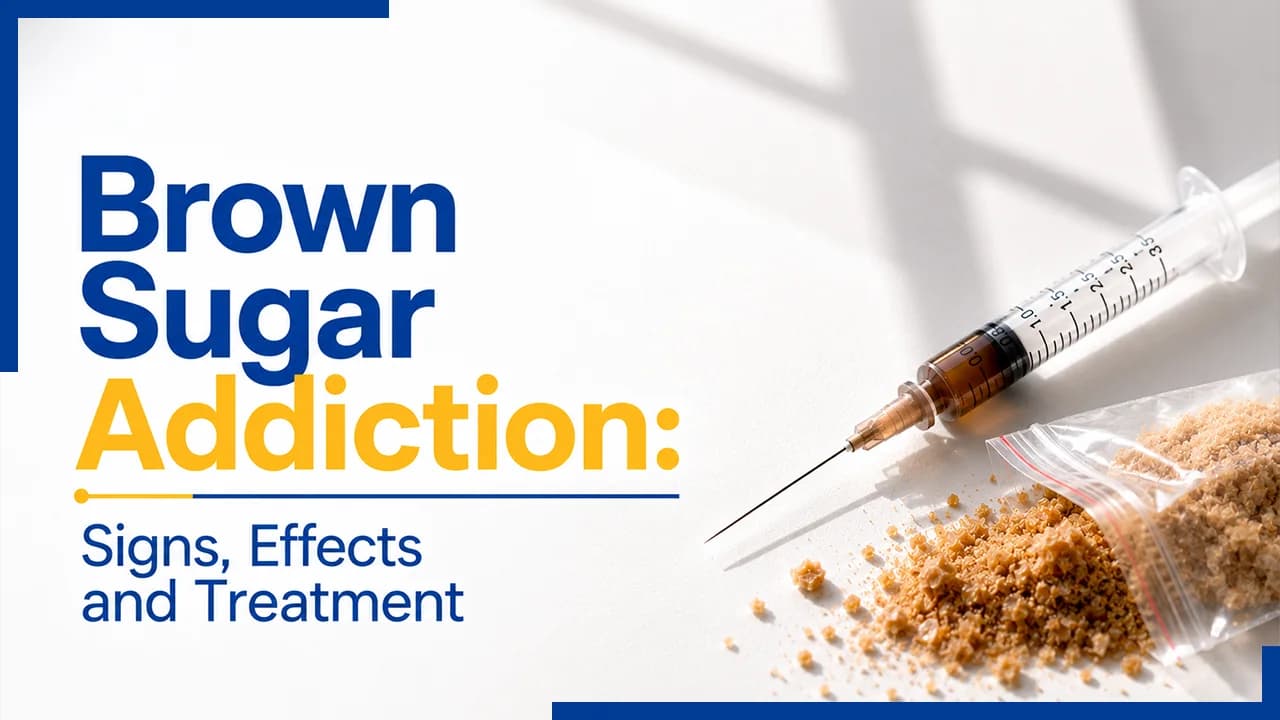
Brown sugar is an impure form of heroin made from morphine and sold as an illicit opioid. It is commonly used for the brief euphoric rush it creates, but its strength and contents are unpredictable. This increases the risk of addiction, overdose and life-threatening complications.
Repeated use can quickly lead to opioid dependence, distressing withdrawal and harm to physical health, mental health, relationships and daily life. Brown sugar addiction is treatable. Early assessment and evidence-based treatment improve the chances of safe, lasting recovery. [1]
Understanding Brown Sugar Addiction
Brown sugar addiction is hard-to-control use of impure heroin that continues despite harm. Heroin acts on opioid receptors linked to pain, reward and breathing.
Trying brown sugar even once is experimental use, and because heroin is illicit, any use at all is also misuse. Repeated use can lead to brown sugar dependence, where the body reacts with withdrawal symptoms when the drug is stopped. Addiction goes further: the person develops a psychological need to keep using, experiences strong cravings, loses control and continues despite the harm it causes.
Why Does Brown Sugar Become Addictive?
Heroin activates opioid receptors linked to pain, reward and breathing. Its rush can make the brain seek that relief again.
Tolerance may drive more use despite unknown strength. Dependence and cravings make stopping harder; use may continue to avoid opioid withdrawal. Dopamine reinforces this pattern. Even short-term brown sugar drug abuse can begin this cycle, while trauma, mental illness, peer pressure and easy access raise risk. [1]
Common Signs and Symptoms of Brown Sugar Addiction
Early signs may resemble stress or illness. Families may notice secrecy, missing money or unusual sleepiness. Brown sugar addiction symptoms include:
Behavioural and Psychological Symptoms
- Cravings: Strong urges or compulsive drug seeking
- Secrecy: Social withdrawal or lost interest in hobbies
- Emotional changes: Mood swings, anxiety, depression or irritability
- Money problems: Unexplained financial difficulties
- Missed duties: Neglecting work, education or family responsibilities
- Risk-taking: Dangerous behaviour or poor decision-making
Physical Symptoms
- Drowsiness, fatigue or slurred speech
- Pinpoint pupils, though this alone is not proof
- Slow breathing or poor coordination
- Nausea, vomiting or constipation
- Weight loss or poor hygiene
- Frequent itching, sweating or needle marks, if injected
One sign does not confirm drug addiction, but several deserve assessment. Slow or difficult breathing is an emergency. [2]
Side Effects and Health Risks of Brown Sugar Addiction
Brown sugar side effects can appear soon after use. Drowsiness, itching, nausea, vomiting, constipation and poor concentration are common. Slower reactions, poor judgement and reduced coordination also increase the risk of falls and other accidents.
The most immediate danger is respiratory depression. A person may appear asleep while their breathing becomes dangerously slow or stops. Since street heroin has an unpredictable strength and may be mixed with other sedatives, an overdose can happen without warning. [2]
Injecting creates additional risks. Shared or non-sterile needles can transmit HIV, Hepatitis B and Hepatitis C. Repeated injecting can collapse veins and cause abscesses, bloodstream infections or endocarditis. Contaminants and oxygen loss during an overdose can also harm the lungs, liver or kidneys.
Long-Term Effects of Brown Sugar Addiction
Over time, the effects of brown sugar addiction extend beyond periods of intoxication and withdrawal. Ongoing use can lead to malnutrition, persistent sleep problems, anxiety and depression. Cognitive functioning can also decline, affecting concentration, memory and judgement. Physical health can deteriorate as dependence develops into severe heroin addiction or Opioid Use Disorder. [2]
Repeated cycles of use, stopping and relapse increase overdose risk because tolerance can fall during a break. Long-term harm may also include social isolation, family conflict, financial instability, legal problems and reduced productivity. Together, these problems can severely reduce quality of life, while overdose and untreated health complications raise the risk of premature death. [1]
Outcomes depend on the frequency and amount of use, route of administration, co-occurring illnesses and access to timely treatment.
Brown Sugar Withdrawal Symptoms
Feeling unwell without brown sugar reflects dependence, not refusal. Common brown sugar withdrawal symptoms include:
- Muscle aches, restlessness, sweating, runny nose, yawning, goosebumps and chills
- Anxiety, insomnia and intense cravings
- Abdominal cramps, nausea, vomiting and diarrhoea
- Dilated pupils, rapid heartbeat and elevated blood pressure
Heroin withdrawal is usually not life-threatening but can cause distress and dehydration. After a break, reduced tolerance means a previous amount can cause overdose. Medical supervision and heroin withdrawal treatment make stopping safer. [3]
Risk Factors for Developing Brown Sugar Addiction
Risk rises with previous opioid exposure, past substance use disorder, family history and easy access to illicit opioids. Depression, anxiety, trauma, adverse childhood experiences and chronic stress increase vulnerability. Peer pressure, hardship and limited support also matter, but none makes addiction certain. [4]
How Is Brown Sugar Addiction Diagnosed?
Families need not diagnose it. A psychiatrist or addiction specialist uses DSM-5 criteria for Opioid Use Disorder, not a separate brown sugar diagnosis. Assessment covers medical and substance use history, loss of control, a clinical interview, physical examination, family observations and laboratory tests when needed. It also screens for depression, anxiety, PTSD and other substance use disorders. [4]
Treatment Options for Brown Sugar Addiction
Brown sugar addiction treatment addresses more than heroin use. Substance abuse treatment should manage withdrawal, cravings, family strain and mental health. Care should match addiction severity.
Medical Detoxification
Medical detoxification manages withdrawal while clinicians monitor safety. Detox is only the first step.
Medication-Assisted Treatment (MAT)
Medication-Assisted Treatment (MAT) may use buprenorphine, methadone or naltrexone for opioid addiction treatment. They can reduce withdrawal and cravings or block opioid effects. They are not interchangeable: buprenorphine can trigger withdrawal if started too soon, while naltrexone needs an opioid-free period. Qualified professionals must prescribe and monitor them. [5]
Cognitive Behavioural Therapy (CBT)
Cognitive Behavioural Therapy (CBT) helps recognise triggers and practise safer responses.
Individual and Group Counselling
Individual counselling offers privacy; group counselling adds peer support.
Family Therapy
Family therapy helps relatives communicate more clearly, set healthy boundaries and support recovery without blaming the person or unintentionally enabling continued drug use.
Treatment for Co-occurring Mental Health Conditions
Depression, anxiety, trauma and other psychiatric conditions need treatment alongside addiction.
Lifestyle Changes and Relapse Prevention
Healthy sleep, regular exercise, balanced nutrition, stress management and mindfulness support recovery. Peer support groups, trigger identification, relapse prevention planning and long-term follow-up care support drug addiction recovery.
Can Brown Sugar Addiction Be Prevented?
Avoiding illicit-opioid experimentation is safest. Education, overdose awareness, mental health support, healthy coping skills, family education, early intervention and community awareness programmes reduce risk.
Community-level prevention and mental health support can reduce misuse without stigmatising those already struggling.
When Should Someone Seek Professional Help?
Seek assessment when someone cannot stop, uses more, develops cravings or withdrawal, or continues despite harm to work, studies, money, relationships or mental health. Seeking timely treatment at a Rehabilitation Centre in Hyderabad can provide medically supervised detoxification, counselling, Medication-Assisted Treatment (MAT), and long-term recovery support before the condition worsens. Do not wait for "rock bottom."
If someone cannot be woken, breathes very slowly or has blue lips, call 112 immediately. Give naloxone if available and you know how to use it, then stay until help arrives. [2]
How Jagruti Rehabilitation Centre Supports Recovery from Brown Sugar Addiction
Families may know something is wrong but not what help to seek. Jagruti begins with a comprehensive addiction assessment of brown sugar use, withdrawal risk, health and family concerns.
Jagruti Rehabilitation Centre tailors treatment to each person's needs, using medically supervised detoxification, MAT, CBT and family counselling where appropriate. Experienced psychiatrists, clinical psychologists and counsellors support holistic rehabilitation, relapse prevention and aftercare, so rehabilitation for heroin addiction can continue beyond detox. Speaking with Jagruti can help your family find the next safe step.
Conclusion
Brown sugar addiction can frighten a family, but it is a treatable Opioid Use Disorder. Acknowledging it is not betrayal or blame; it is where recovery begins.
Early diagnosis, medically supervised detoxification, evidence-based therapy, family support, relapse prevention and long-term rehabilitation make recovery safer. Opioid dependence recovery takes time, but the next step can start today.