
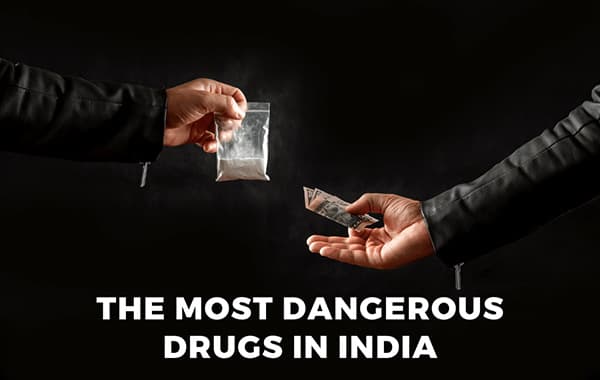
India is witnessing a concerning surge in drug use. Nearly 5.7 crore Indians are addicted to alcohol, and around 2.6 crore people use opioids like heroin and cannabis regularly. [1] Many of these drugs are easily available, socially accepted, or legally prescribed, which makes the risk of addiction even higher.
At Jagruti Rehab in Mumbai, we have treated patients fighting with addictions, from street drugs like heroin and crystal meth to prescription medications like painkillers and anti-anxiety pills. Even substances such as marijuana and benzodiazepines can lead to long-term damage if overconsumed. This blog has the list of the 10 most dangerous drugs in India based on their addictive potential, health risks, and impact.
10 Most Dangerous Drugs in India
Here is the list of the most dangerous drugs in India:
1. Marijuana
It is allegedly claimed to be better than alcohol and other drugs. However, long-term heavy use, as well as early use, particularly during adolescence, can have significant negative effects on cognitive development and mental health. [2] It is addictive and creates dependence just like other drugs.
2. Tobacco
Tobacco can either be chewed or smoked. Cigarette smoke is a leading cause of lung cancer and heart disease, and kills more than 8 million people globally each year, including around 1.6 million non-smokers exposed to second-hand smoke. [3] Nicotine addiction is common and difficult to overcome without support.
3. Alcohol
Moderate to high doses severely alter a person's ability to learn and remember. Long-term consumption of large quantities, combined with poor nutrition, can lead to permanent damage to the brain, liver, pancreas, and stomach. According to the WHO, alcohol is a causal factor in more than 200 disease and injury conditions. [4]
4. Heroin
This drug is highly addictive. It was originally a prescription drug until the 1920s. Users build up a tolerance quickly and have to take larger doses. This increases the risks significantly and can lead to comas, overdose, and death. Opioid use disorder is among the most serious substance use conditions globally. [5]
5. Cocaine
Cocaine use causes dilated pupils, increased pulse rate, elevated blood pressure, insomnia, loss of appetite, hallucinations, paranoia, and seizures. Use of cocaine can cause death by cardiac arrest. [5]
6. Benzodiazepines
Mostly used to treat anxiety, this drug can easily become addictive. This is a medically approved drug which can be easily bought with a prescription. Managing prescription use is extremely important in reducing the risk of dependence. The WHO has flagged benzodiazepine dependence as a growing public health concern, particularly when used long-term without medical supervision.
7. Crystal Meth
In the short term, users become sleep deprived and anxious. In the long term, crystal meth causes significant weight loss, brain damage, and damage to blood vessels. [5]
8. Morphine
It is an analgesic and narcotic drug intended to relieve pain. Painkillers can be very addictive, and this has been the most complained about in most of the drug and alcohol rehab centres in Pune.
9. LSD (Lysergic Acid Diethylamide)
A powerful hallucinogen that alters reality, perception, and mood. While LSD does not cause physical addiction in the conventional sense, it can lead to psychological dependency and dangerous behaviour due to its mind-altering effects. [5]
10. Inhalants (e.g., glue, paint thinner)
Easily available and commonly abused by teenagers. Inhalants can cause sudden sniffing death syndrome, brain damage, and long-term cognitive decline.
What Are the Most Used Drugs in India?
Cannabis, opioids, and certain prescription medicines are among the most commonly used drugs in India. The Magnitude of Substance Use in India report found that cannabis remains the most widely used illicit substance, consumed in various forms including charas, bhang, and ganja. [1] Many people take it because it is linked with some Hindu gods, and believe it is holy. This has made it more common in many parts of India.
» What’s the Difference Between Ganja and Bhang?: A detailed overview of their origin, usage, effects, and legal status in India.
Bottom Line
Whether it is a legally obtained drug such as alcohol or an illegal drug such as heroin, drug addiction can destroy lives. Physically, mentally, and emotionally. We must act sooner rather than later. If your loved one is addicted to drugs or you need help, wait no longer.
Jagruti drug rehabilitation centre in Pune or all over India has customised treatment strategies supported by doctors, therapists, and care. We are there around India to rehabilitate, reform, and reintegrate you: