How to Choose the Right Rehabilitation Centre in Chennai


Choosing a rehabilitation centre for someone you love is not like booking a hotel. You are not comparing amenities or reading star ratings. But you are trying to figure out who can actually be trusted with a person's life, their mental health, and their recovery. And when you are doing that research while already exhausted and frightened, the number of options in a city like Chennai can definitely feel overwhelming.
This guide has been written to help you slow down and think clearly about what actually matters. Not every centre that looks good on a website is good in reality, and not every expensive programme is better than a mid-range one. Moreover, not every person who walks into treatment needs the same kind of care.
Here is what to look at, what to ask, and what to walk away from.
Why Chennai Matters as a Treatment Destination
Chennai offers a wide range of addiction and mental health treatment options. It ranges from government de-addiction units to private psychiatric hospitals and standalone residential rehabilitation centres.
Chennai has seen genuine growth in mental health and addiction care over the past decade. For families across Tamil Nadu and neighbouring states, choosing a rehabilitation centre in Chennai means accessible treatment without the disruption of travelling to another region entirely. But the variety of options also means the quality range is wide.
Important reasons families choose Chennai for rehabilitation:
- A wide range of treatment models, which include government, private, and standalone residential centres
- Accessible from Tamil Nadu, Andhra Pradesh, Kerala, and Karnataka
- Growing pool of trained addiction psychiatrists and counsellors
- A mix of price points (from affordable to premium options)
Finding the right location is just the starting point. The real job involves evaluating what each facility actually offers once you get past the website.
Start with Registration and not just Reputation
Before anything else, verify whether the centre is registered with the appropriate governing bodies. This is your baseline check, not an optional one.
Rehabilitation centres in Chennai treating substance use disorders in India should be registered under the relevant state health department regulations. Look for:
- Registration with the Tamil Nadu State Department of Health
- NABH accreditation, which stands for National Accreditation Board for Hospitals and Healthcare Providers
- Compliance with the Mental Healthcare Act, 2017
- Registration documents available on request or displayed visibly at the facility
If a center shows you no evidence of their approval status when you ask for documentation, then there are some serious concerns about this organization, regardless of their fancy branding. Having an approved license is a clear indicator that the facility meets the required standards for staff, safety and treatment protocol. While it does not ensure success, having such a license clearly eliminates the riskiest environments.
When you contact the center, simply ask if you are registered with the Tamil Nadu State Department of Health. Any reputable facility will immediately confirm your registration.
Detox and Rehabilitation are not the same thing
Detox clears the substance from the body. Rehabilitation addresses the reasons behind the use. Both phases are necessary, but they are not interchangeable.
This is a difference many families do not know to make, and it matters more than most people realise.
What detox includes:
- Medical supervision during withdrawal
- Medication to manage withdrawal symptoms safely
- Physical stabilisation, typically over five to ten days
- 24x7 monitoring for complications
- Basic nutritional and hydration support
What rehabilitation includes:
- Individual and group therapy, including CBT and motivational interviewing
- Relapse prevention planning
- Psychiatric assessment and ongoing treatment
- Family therapy and education
- A residential stay of at least four to six weeks, often longer
Several drug addiction recovery programs in Chennai offer detox only. These programs stabilise individuals and send them back home. Short-term stabilisation is often a necessity; however, alone, it is almost always insufficient for achieving successful long-term recovery.
Evaluate the potential alcohol rehab in Chennai to determine if they provide a comprehensive program that covers both phases of recovery (detox & rehab) or if additional support outside of their programme would be required.
What makes a good Treatment Approach
The clinical philosophy a centre operates on matters more than most families realise when making a quick decision under pressure. Evidence-based therapy should be the foundation, not an optional add-on.
Evidence-based therapies to look for:
- Cognitive Behavioural Therapy, which addresses thought patterns linked to substance use
- Motivational Interviewing, which helps build internal motivation to change
- Structured relapse prevention planning, which prepares a person for high-risk situations after discharge
- Dual diagnosis treatment for co-occurring mental health conditions
What raises concern:
- Faith-only approaches without any clinical therapy alongside them
- Programmes that rely on confrontation or punitive methods
- Centres that cannot clearly explain what a typical day looks like for a resident
- A fixed schedule that runs every resident through the same programme regardless of their history
Also, ask if the treatment is individualised. Someone with alcohol dependence and a co-occurring anxiety disorder needs a completely different plan than someone dealing with a first episode of substance misuse. A centre that runs everyone through the same fixed schedule regardless of individual history is worth questioning.
The Residential Environment and Daily Schedule
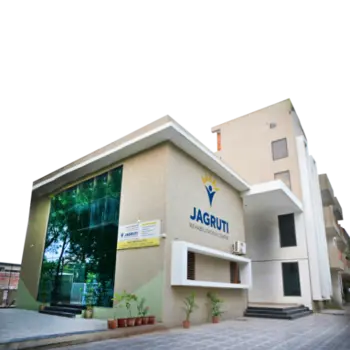
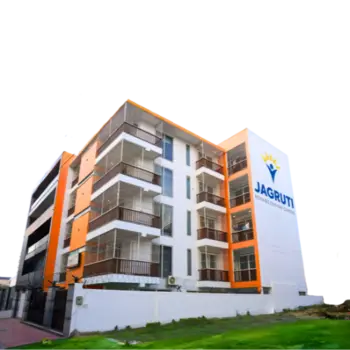
The physical environment affects recovery outcomes more than many families expect. Visit before you decide.
People do not fare well in chaotic environments. How the centre looks and operates day to day has a direct impact on how a person settles into treatment.
What to look for during a visit:
- Check if the space is calm, clean, and organised
- Residents appear to have privacy and are treated with dignity
- There is access to outdoor or open-air spaces
- Meals are nutritious and physical health is taken seriously
- There are separate areas for therapy, meals, rest, and activity
What a good weekly schedule includes:
- Daily individual therapy sessions
- Structured group therapy or peer support
- Physical activity
- Free time with appropriate boundaries
- Skill-building or reflective activities
Request a copy of the weekly calendar. An effective program provides its clients a sense of structure and engagement through a combination of individual therapy, group work, physical activity, and free time.
If a center does not permit you to visit prior to your decision-making process, this is something you should take into consideration. Most reputable psychiatric rehabilitation centres in Chennai welcome family members to visit while assessing whether or not the centre is appropriate for your loved one!
The Questions that Matter Most
The quality of the people caring for your loved one is far and away the most significant determinant of successful treatment. Unfortunately, this is often one of the easier things for these centers to "hide" by way of excellent advertising.
On psychiatric and medical oversight:
- Is a psychiatrist employed on-site or available for regular consultation?
- How often does the psychiatrist visit or review patient cases?
- Who manages medication decisions and handles medical emergencies?
On counsellor qualifications and ratios:
- What is the counsellor to patient ratio?
- Are counsellors licensed psychologists, clinical social workers, or peer counsellors?
- How much individual therapy time does each resident receive each week?
Any addiction treatment centre in Chennai without adequate psychiatric oversight cannot properly handle medically complicated withdrawal, co-occurring mental illness, or medical emergencies.
Peer support has real value in recovery. But it should not be the primary therapeutic resource in a clinical programme.
Family Involvement during Treatment
Recovery does not happen in isolation from the people around the person. In the Indian family context, the dynamics at home have almost always played some role in the addiction, and they will shape what happens after discharge as well.
Ask if the centre offers family therapy sessions as part of the programme. Ask whether families receive education about how to support recovery without enabling relapse. Ask about their communication policy, which includes how often families can speak with the person, and whether they are updated on treatment progress.
Questions to ask about family involvement:
- Are family therapy sessions included in the programme?
- Do families receive education on supporting recovery?
- How often can we speak with our loved one during the stay?
- Will we receive updates on treatment progress?
A centre that treats the family as peripheral is missing something important. The best programmes understand that recovery is a change in a whole system, not just one individual.
Red Flags worth taking seriously
These may seem obvious when you are putting your thoughts together on paper; however, they are often overlooked as someone on the phone seems confident and caring.
- Pressuring you to make an immediate commitment to a program (and therefore making a decision) without allowing you time to conduct a personal tour or see another doctor.
- Ambiguous or vague responses from clinical staff regarding their credentials. Guarantees of complete recovery within specific timelines.
- High prices with little explanation of what services those dollars are covering. Restrictive policies at facilities prevent all outside contact during the entire length of the stay, without a clinical basis for this restriction.
While none of these individually are conclusively indicative of a center's credibility, collectively, they could serve as a signal to continue searching for a different option.
Aftercare is the question most people forget to ask
Discharge is not the finish line. Discharge is merely the starting point for the longer, quieter and arguably more difficult stage of recovery. Returning to normalcy, returning to work, returning to family, returning to social environments, etc., is where most relapses occur.
As such, find out what each center's aftercare plan consists of.
- Does the center provide a step-down program that includes outpatient sessions?
- Are there alumni programs or peer support groups available?
- Is there one person whom the individual can call if he/she has difficulty several weeks post-discharge?
A centre with no structured aftercare is releasing someone back into the same environment without adequate support. Understand what that gap looks like before you commit.
On cost and what it does and does not tell you
Private rehabilitation in Chennai varies widely in price. A higher monthly fee does not automatically mean better clinical care. Some mid-range facilities have excellent staff and thoughtful programmes. Some expensive ones have better infrastructure but comparable or weaker therapy.
You need to request detailed breakdowns of what is included in each facility's quote.
What should be included in any quote:
- Medical oversight and on-call coverage
- Psychiatric consultations, including how many and how often
- Individual and group therapy sessions per week
- Accommodation, meals, and basic necessities
- Medications, or a clear note that these are billed separately
- Family therapy sessions
- Aftercare or follow-up support
You should clearly understand what was included in the initial quote and how much will be charged additionally.
Choosing the right rehabilitation centre in Chennai takes more time than most families feel they have in the moment. But rushing this decision means choosing the wrong place, which might cost more time in the end.
Take the visits. Ask the uncomfortable questions (if any). Trust what the answers actually tell you, not just how the person on the phone makes you feel. The right facility is out there and finding it is worth the effort.
Frequently Asked Questions
How long does residential rehabilitation usually take?
How long does residential rehabilitation usually take?
Most programmes at rehabilitation centres in Chennai usually last between four and twelve weeks, depending on addiction severity, co-occurring mental health conditions, and individual recovery progress. Severe or long-standing cases may need two to three months or longer.
For mild to moderate cases, a minimum of four to six weeks is the general recommendation. Shorter programmes carry a higher relapse risk for complex situations, particularly where psychiatric conditions are involved.
What if the person refuses to go?
What if the person refuses to go?
Forced treatment rarely produces lasting recovery. A professionally facilitated intervention, which is a structured and compassionate conversation, is far more effective at helping a person recognise the impact of their addiction and choose treatment willingly.
Many addiction specialists offering alcohol rehab in Chennai and drug addiction recovery programs in Chennai provide pre-treatment intervention support for families at this stage. You do not have to figure out how to have that conversation on your own.
What is the difference between a psychiatric hospital and a standalone rehab centre?
What is the difference between a psychiatric hospital and a standalone rehab centre?
Psychiatric hospitals are better equipped for acute psychiatric emergencies, while standalone rehabilitation centres offer more focused addiction programming in a community-style residential environment. For most addiction cases without acute psychiatric crisis, a well-run standalone centre with psychiatric access is appropriate.
For individuals with severe co-occurring psychiatric conditions, a psychiatric rehabilitation centre in Chennai with inpatient psychiatric capability may be the more suitable option.
How involved can a family be during the stay?
How involved can a family be during the stay?
Most rehabilitation centres in Chennai allow family visits after an initial settling-in period of one to two weeks, along with regular phone contact. Better programmes include structured family therapy sessions at scheduled intervals throughout the stay. Ask specifically about the communication policy before admission so there are no surprises.
How do I know if a rehabilitation centre in Chennai is legitimate?
How do I know if a rehabilitation centre in Chennai is legitimate?
A legitimate rehabilitation centre in Chennai will hold registration with the Tamil Nadu State Department of Health and, in many cases, NABH accreditation. They will share documentation without hesitation and welcome a visit before admission. If a centre is unable to provide you with registration documents, or pressures you to commit without a visit, treat that as a serious concern regardless of how the centre presents itself online.
Dr. Amar Shinde, founder of Jagruti Rehab, is a renowned psychiatrist in India with over two decades of experience in mental health, addiction recovery, and neuropsychiatry, dedicated to holistic, compassionate patient care.
Book a Confidential Consultation with Our Experts
Our team of medical professionals is there to hear and guide you towards the right treatment plan. Get the right professional advice, instant support and confidential consultations with recovery plans especially tailored to your needs.